Things to Do in Port Moresby
Coral water, jungle hills, and a capital the guidebooks forgot
Top Things to Do in Port Moresby
Find activities and tours you'll actually want to do. Book through our partners -- no booking fees.


Plan Your Trip
Essential guides for timing and budgeting
Climate Guide
Best times to visit based on weather and events
View guide →Day Trips
The best excursions and nearby destinations worth the journey
Explore day trips →Where to Stay
Best neighbourhoods, hotel picks, and booking tips
Find hotels →Travel Insurance
What's required, what coverage matters, and how to get a quote
Read guide →What to Pack
Climate-specific gear, essentials, and what to leave at home
See packing list →When Should You Visit Port Moresby?
Tap a month for weather, crowds, and highlights
View full year-round climate guide →Your Guide to Port Moresby
About Port Moresby
Port Moresby smells like rain on hot concrete and woodsmoke, with the sharp mineral bite of betel nut hanging over everything like a second atmosphere. The capital of Papua New Guinea sprawls across a series of jungle ridgelines along Fairfax Harbour, and from the crest of Paga Hill the whole improbable geography lays itself bare: the stilt village of Hanuabada stretching over turquoise shallows to the west, the glass-fronted government towers of the Waigani district to the north, and to the south, the Coral Sea running unbroken toward the horizon.
This is not a city that smooths itself out for visitors. The roads between Town and Boroko can gridlock for an hour under afternoon heat that sits heavy on your chest, security is a genuine concern once the sun drops, and the infrastructure carries the improvised feel of a place growing faster than anyone planned for. But Port Moresby repays the traveler who shows up without expectations.
The National Museum and Art Gallery in Waigani holds one of the Pacific's most significant collections of Sepik River carvings and Highland spirit masks, the kind of objects that quietly rearrange your sense of what art can be. Port Moresby Nature Park, tucked into a patch of monsoon vine forest near the university, is the easiest place in the country to watch Raggiana birds of paradise in full courtship display, the males dropping upside down from branches in explosions of crimson plumage.
Down at Koki Market each morning, fishermen haul reef fish and mud crabs straight from the harbour onto concrete slabs, and the smell of coral trout grilling over coconut-husk coals drifts across the wharf before the heat has even settled in. The city most travelers rush through on their way to the Highlands or the Trobriand Islands turns out to be the most honest introduction to a country where over eight hundred languages are still spoken and the modern world arrived without an invitation.
Travel Tips
Transportation: Walking around Port Moresby is limited by security, not distance. Most travelers rely on hotel shuttle services or pre-arranged taxis through their accommodation, and this is worth the cost. PMVs, the brightly painted minibuses that run set routes between Town, Boroko, and Waigani, are the cheapest way to move but crowded and best attempted during daylight only. If you need a taxi, have your hotel call one rather than flagging down an unmarked car. The drive from Jacksons International Airport to the main hotel district takes roughly twenty minutes outside rush hour. But that same stretch can double during the afternoon gridlock that chokes Hubert Murray Highway. Arrange your airport pickup through your hotel before you land.
Money: Papua New Guinea runs on kina, and Port Moresby runs on cash. Card acceptance is growing at hotels and larger restaurants in Town and the Harbour City area. But market stalls, PMVs, kai bars, and most neighbourhood shops deal exclusively in notes and coins. BSP and Kina Bank ATMs in Boroko and downtown Town are the most reliable, though machines do run dry on weekends. Carry smaller denomination notes for daily purchases because getting change for large bills at a market stall is an exercise in patience. The kina currently runs weak against the US dollar, which makes Port Moresby surprisingly affordable for accommodation and food relative to other Pacific capitals, though imported goods carry a steep markup.
Cultural Respect: Port Moresby is a city of transplants. People from the Highlands, the Sepik, the islands, and the coastal lowlands live side by side, each carrying distinct customs, and getting this right matters more here than in most capitals. Ask before photographing anyone, always. In a country where sorcery beliefs remain culturally significant, an unsolicited camera can provoke genuine anger, not just annoyance. Dress modestly, women, with shoulders and knees covered outside hotel compounds. Betel nut, called buai, is everywhere. The red-stained smiles and spit marks on pavements are simply part of daily life. If offered buai, accepting or politely declining are both fine. But never step over someone's buai bag. It is considered disrespectful.
Food Safety: Eat where the smoke is. Koki Market in the early morning is Port Moresby's best food experience, reef fish grilled whole over coconut-husk coals and served with boiled kaukau, the sweet potato that anchors most Papua New Guinean meals. The charred, salt-crusted skin of a fresh coral trout eaten standing at the wharf is worth the early alarm. Kai bars, the no-frills local eateries scattered through Boroko and Hohola, serve filling plates of rice, greens, and stewed meat that cost next to nothing. Stick to freshly cooked food you can see being prepared. Tap water is not safe to drink anywhere in the city, so carry bottled water from any trade store. Tropical fruit from the markets, pawpaw and passionfruit, is excellent once peeled.
When to Visit
Port Moresby sits just south of the equator. The temperature barely flinches year-round. It hovers between 24°C and 32°C (75-90°F). Thick, salted humidity clings to your skin the moment you step outside. The real question is not when it gets warm, because it is always warm. But when it rains and what you came for. The dry season runs from May through November.
These are Port Moresby's best months by nearly every measure. Skies clear to a hard blue by mid-morning. Humidity drops to something closer to bearable. The harbour water off Ela Beach turns that impossible turquoise that photographs never quite capture. June through August is the most comfortable stretch. Overnight lows dip to 23°C (73°F).
A dry southeast trade wind takes the edge off the afternoon heat. Hotel rates climb during this window. Availability thins out, at the better-known properties around Town and Waigani. September is the peak month if you are timing a visit around cultural events. The Hiri Moale Festival, typically held mid-September alongside Independence Day celebrations on the sixteenth, fills Ela Beach with traditional lagatoi sailing canoes.
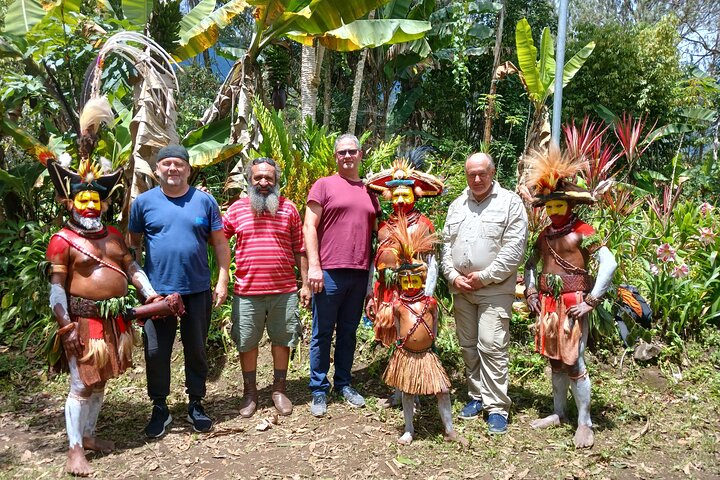
Highland sing-sing groups appear in full ceremonial dress. The drumming hits your ribs before you hear it. The Goroka Show in the Highlands runs the same week. Many travelers route through Port Moresby for both. October and November stay dry. The heat starts building, with afternoon temperatures regularly touching 33°C (91°F).
A heaviness in the air signals the wet season approaching. The wet season arrives in December. It does not properly leave until April. This is not gentle rain. Afternoon thunderstorms hammer the city. Downpours flood the road between Town and Boroko within minutes. They vanish just as fast, leaving the air thick with steam rising off hot tarmac.
January through March brings the heaviest rainfall. Humidity peaks then. Mornings can be bright. By early afternoon the sky has usually closed in. The upside is accommodation prices drop noticeably during the wet months. The city is quieter. Port Moresby Nature Park is at its most lush after the rains. The Raggiana birds of paradise are in breeding plumage through December and January.
For most travelers, June through September is the window. Dry days, relative comfort, cultural riches, and the harbour at its most photogenic. If you handle heat well and want fewer crowds, May and October bookend the dry season nicely.
More Ways to Experience Port Moresby
Tours, day trips, and local experiences curated by on-the-ground operators.
Didn't see anything interesting yet?
Browse Viator's full catalog of tours, day trips, food experiences, and private guides in Port Moresby.
See All Port Moresby Tours on Viator