Things to Do in Port Moresby in April
April weather, activities, events & insider tips
Low Season · Budget Friendly
April Weather in Port Moresby
Long-run averages for April
88°F (31°C)
High Temp
74°F (23°C)
Low Temp
4.1 inches (104 mm)
Rainfall
87%
Humidity
12
Rainy Days
13
Sunny-Day UV
⚠ Malaria risk remains elevated in April due to standing water from the wet season. Anopheles mosquitoes are active from dusk onward, around the harbour lowlands and any area with poor drainage. Consult a travel health specialist about antimalarial prophylaxis at least four weeks before departure. Take bite-prevention measures seriously, between 5 PM and 7 AM. Do not skip this.
⚠ Afternoon thunderstorms, typically between 1 PM and 4 PM, can produce intense lightning and localized flash flooding on low-lying roads. The storm drains in parts of Boroko and Six Mile back up quickly, and roads that were passable in the morning may be knee-deep in brown water an hour after a downpour. Plan outdoor excursions for the morning. Do not attempt to drive through flooded roads. Turn around.
⚠ UV exposure near the equator at Port Moresby's latitude is severe even through cloud cover. Overcast skies in April reduce the perceived heat but not the ultraviolet intensity, and visitors regularly underestimate their exposure during overcast mornings at Ela Beach or the Bomana cemetery grounds. Sunburn can onset within thirty minutes of unprotected exposure. Wear sunscreen.
Making the most of April in Port Moresby? Browse tours and activities in Port Moresby on GetYourGuide.
Is April Right for You?
Weigh the advantages and considerations before booking
Advantages
- + April marks the tail end of the wet season. Rainfall drops to 104 mm (4.1 inches) from the 190 mm (7.5 inches) that drenches March. The bush around Varirata National Park is still saturated and impossibly green. Waterfalls along the Sogeri Road run at full force. The morning light over the Coral Sea has that post-rain clarity that burns off by midday. You get the lush landscape of the wet season without the worst of the downpours.
- + Visitor numbers in Port Moresby are thin year-round. April sits in a genuine lull between the corporate travel cycles and the dry-season trekking rush that builds from May onward. The few cultural sites and nature reserves you can access feel uncrowded in a way that most capitals never manage. Booking a reputable city tour or Sogeri day trip tends to come with more flexibility on timing and group size. Worth considering.
- + ANZAC Day on April 25 draws a solemn, moving ceremony at Bomana War Cemetery, about 19 km (12 miles) north of the city centre. For anyone with an interest in WWII history or the Kokoda campaign, this is one of the most affecting commemorations in the Pacific. PNG veterans' families attend, along with Australian and New Zealand diplomats. Local schoolchildren sing hymns in Tok Pisin as the sun comes up over 3,824 headstones. Arrive early.
- + The transitional weather creates ideal conditions for birdwatching along the Sogeri plateau. Raggiana birds-of-paradise, PNG's national bird, are active in the canopy above the road to Varirata. Reduced rainfall means fewer trail closures. Birding guides familiar with the plateau's call sites can position you beneath a lek tree at dawn. The males fan their copper plumage against a sky still pink from the overnight moisture burning off. Bring binoculars.
Considerations
- − Port Moresby has serious security challenges that shape every decision you make. Walking freely through the city is not realistic for most visitors. Carjacking, opportunistic robbery, and bag-snatching are documented risks in areas like Boroko, Six Mile, and the settlements that sprawl across the hills behind the harbour. You will likely move between secure compounds, shopping centres, and planned excursions by vehicle. This creates a different travel experience from most capital cities. This is not a reason to skip the destination entirely. It demands honest preparation and a willingness to travel with local guidance at all times.
- − Humidity at 87% in April is among the highest of any month. The heat feels heavier than the thermometer suggests. By mid-morning the air is thick enough that walking even short distances along Ela Beach leaves your shirt soaked through. Afternoon storms, while shorter than in January or March, still arrive without much warning. They typically hit between 1 PM and 4 PM. These can stall plans for an hour or more. Pack accordingly.
- − Port Moresby is an expensive destination by any measure. Limited tourism infrastructure, high import costs on nearly everything, and the security logistics of moving around safely mean that a day here costs considerably more than equivalent time in Southeast Asian capitals. Budget travel in the backpacker sense does not exist here. Most visitors are on business, NGO assignments, or using the city as a staging point for the Kokoda Track or PNG's dive sites. The pricing reflects that captive market. Plan for it.
Settled on April? Compare hotel prices in Port Moresby for your dates on Trip.com.
Best Activities in April
Top things to do during your visit
April is a turning point in Port Moresby's calendar. The wet season is loosening its grip. Rainfall drops to around 4.1 inches for the month, roughly half of what drenches the city in January and March. Afternoon downpours still roll in off the Coral Sea. But they arrive shorter and sharper now, the kind that hammer corrugated rooftops for twenty minutes and then vanish into steam rising off hot tarmac. Mornings break warm, with lows sitting around 74°F and highs climbing to 88°F by midday, and the air carries that particular density of the tropics where you can taste salt and green growth in the same breath. The harbour at Ela Beach takes on a glassy stillness before the heat builds, and locals gather along the seawall to buy betel nut from vendors whose plastic tarps snap in the early breeze. The city itself sits on a peninsula between two harbours, backed by brown hills studded with ironbark eucalyptus. This is a landscape that looks nothing like the jungle interiors most visitors picture when they think of Papua New Guinea. Port Moresby's drier coastal savanna gives April a dusty golden light in the mornings, and the Owen Stanley Range to the northeast holds a permanent collar of cloud. Walking through Boroko or Waigani in the early afternoon, you hear the crack and hiss of rain on mango leaves a full block before you feel it, and the gutters run red-brown with laterite clay. By late afternoon the city exhales. Smoke from backyard mumu pits drifts across residential streets, carrying the sweet, earthy smell of taro and pork wrapped in banana leaves, slow-cooking underground. For travellers weighing when to visit, April sits in that productive seam between the heaviest rains and the bone-dry months of June through September. You get greener scenery than the dry season delivers, fewer cancelled domestic flights than deep wet-season months, and a city that feels like it is shaking off the lethargy of the monsoon and waking up. Safety is a practical consideration here, not a reason to stay away. Port Moresby rewards preparation: move with a local guide or a reputable operator, avoid walking after dark outside secured compounds, and use hotel-arranged transport rather than hailing vehicles from the roadside. The city's legitimate pleasures, its reefs, its war history, its food, are accessible to anyone who treats it the way seasoned travellers treat Lagos or Johannesburg: eyes open, plans made, fear replaced by situational awareness. April's transitional weather makes it a strong month for the Kokoda Track, which becomes impassable mud in the wettest months, and for city touring before the dry-season conference crowds arrive.

ADVENTURE KOKODA 10-Day Premium Kokoda Campaign Trek Australian Led
adventureAustralian-led, following the original wartime track from Owers' Corner to Kokoda village, is as close as civilian travel gets to understanding what happened on this mountain spine in 1942. You climb through moss forest so dense the canopy blocks all direct sun, ford chest-deep creek crossings where the water runs copper-brown and cold even in equatorial heat, and sleep in village guesthouses where the floorboards smell of woodsmoke and damp earth. The trail gains and loses thousands of metres across a succession of razorback ridges, and at Brigade Hill and Isurava you stand on ground where the fighting was so close that shell casings still surface after heavy rain.
This is one of the world's great long-distance treks, crossing the Owen Stanley Range on the actual route of a pivotal Second World War campaign, with local Koiari and Orokaiva porters whose grandfathers carried the wounded.
Insider tip: Break in your boots for at least three weeks before departure, and bring a dedicated pair of river-crossing sandals with ankle straps. The creek crossings destroy anything that cannot drain and dry, and bare feet on mossy river stones invite lacerations.
This month: April sits at the tail end of the wet season on the Kokoda Track, meaning creek levels are still elevated and the trail is muddier than in dry-season months like July or August. But rainfall is dropping fast compared to March. Experienced operators run treks year-round, though expect slower daily progress and plan for wet-weather gear at every camp.

Private Port Moresby City Tour
guided_experienceStrips away the anxiety of navigating a city with limited public transport and puts you in the hands of someone who knows which neighbourhood to enter and when. The route typically threads through the National Parliament House, whose facade is designed to echo a Sepik River haus tambaran, a soaring triangular front decorated with traditional motifs painted in ochre, black, and white. Inside the National Museum, you stand in front of Malagan funerary carvings from New Ireland, intricate lattices of painted wood that smell faintly of the coconut oil once used to seal them, and Hiri trade pottery that links Port Moresby's Motu people to the Gulf Province through centuries of annual voyaging. The tour swings through Ela Beach, where outrigger canoes rest on dark volcanic sand and the fish market fills the air with brine and the metallic tang of fresh-caught reef fish laid out on palm fronds.
Port Moresby is not a city you wander casually, and a guided tour turns what would otherwise be a locked-down hotel stay into genuine contact with the country's political heart, its museum collections, and its coastal Motu villages.
Insider tip: Ask your guide to include a stop at Koki Market in the morning when the stilt-village sellers bring in the day's catch. The photographic light under the market roof is extraordinary before ten o'clock, and you can taste smoked fish wrapped in banana leaf that you will not find in any hotel restaurant.

11 Day Kokoda Trek From Port Moresby
adventureAdds an extra day to the journey compared to shorter itineraries, and that additional time makes a material difference in how the trail feels. Rather than racing between campsites, you have space for longer halts at the battlefield memorials, standing at Isurava beneath the four black granite pillars engraved with Courage, Endurance, Mateship, Sacrifice, listening to nothing but the drip of condensation off tree ferns and the distant call of a Papuan hornbill. The route crosses terrain that shifts from lowland rubber plantations, where the humid air is thick with the sweet chemical scent of latex, up through mid-montane cloud forest where the temperature drops sharply and orchids cling to every horizontal branch. Porters from the track-side villages carry the bulk of your gear, and evening meals cooked over open fires, boiled kaukau sweet potato, tinned fish, rice, taste better at altitude than anything you have eaten in months.
The extra day compared to shorter Kokoda crossings allows deeper engagement at battlefield sites and reduces the physical toll on trekkers who want to complete the track without turning it into a forced march.
Insider tip: Pack a lightweight hammock rather than relying solely on village guesthouse sleeping platforms. On rest days or early-finish afternoons, stringing up between two trees at a ridge campsite lets you dry out and decompress in a way that a crowded hut floor does not.
This month: April's declining rainfall makes the track more manageable than in the peak wet months of January through March, though muddy sections between Menari and Efogi remain challenging. River crossings run lower than in March but still require careful fording, and the cloud forest sections stay wet regardless of season.
Where to Stay in Port Moresby in April
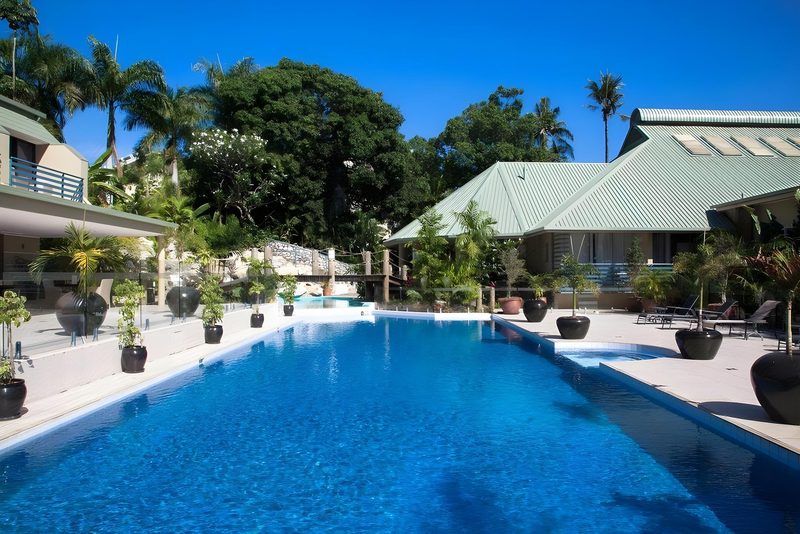
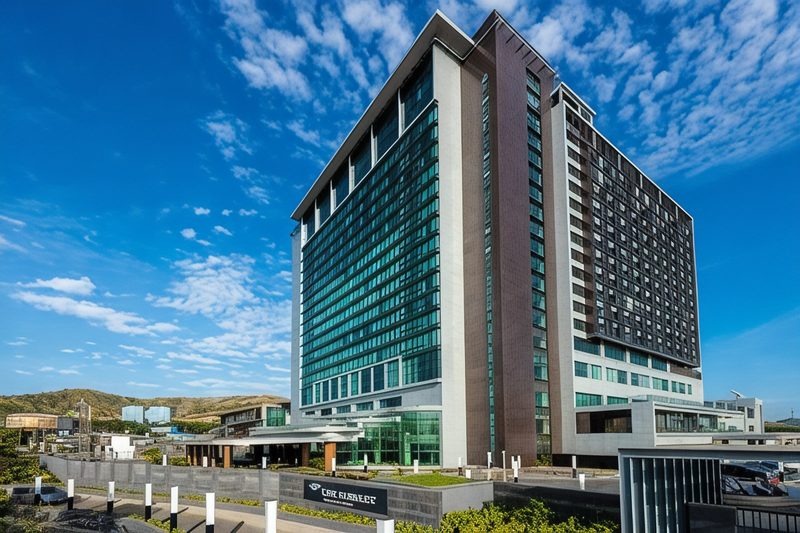
Hand-picked hotels across price tiers for April travellers.
Public Holidays in April
Dates that affect opening hours, transport and crowds
Good Friday
Observed nationwide as a public holiday.
Holy Saturday
Observed nationwide as a public holiday.
Easter Sunday
Observed nationwide as a public holiday.
Easter Monday
Observed nationwide as a public holiday.
Packing Checklist
Bookmark this page — your progress is saved between visits
Need the full list with shopping links?
Climate-specific gear, brand recommendations, and what to leave at home.
View Port Moresby Packing List →Essential Tips
Insider knowledge and common pitfalls to avoid
Insider Knowledge
Koki Fish Market sits on stilts over water at the eastern end of Ela Beach. This is Port Moresby's closest approach to unfiltered local food culture. Arrive before 8 AM, when fishing boats pull in and coastal village women grill reef fish over coconut-husk coals on the concrete apron. Charred scales and salt hit you from the road. It is chaotic, loud, and not built for tourists. That is the point. Go with a local guide. Keep valuables hidden. Eat what the women behind the coals recommend. Smoked fish wrapped in banana leaves, still warm and flaking apart, becomes the taste you remember long after Parliament Haus fades from your photos.
Locals send you to Paga Hill on the peninsula west of the harbour. After overnight rain scrubs an April morning, the panorama opens over Fairfax Harbour, commercial port cranes, Hanuabada's stilt houses clustered on water, and on clear days the faint blue ridgeline of the Owen Stanley Range behind the city. Arrive by mid-morning before haze thickens. Recent development has altered the hill and access from older guidebook descriptions. Adjust expectations.
Port Moresby nightlife clusters in hotel bars and a few licensed venues. Security conditions matter. Walking between venues after dark is not advisable. The expat and business circuit centres on hotel restaurants and bars in Waigani and Town. The atmosphere runs functional, not electric. Do not expect Southeast Asian capital street energy. You will not find it. What you find instead, in the right hotel bar on Friday evening, is a cross-section of PNG society, aid workers, mining engineers, PNG politicians, off-duty soldiers, all sharing the same terrace and cold SP Lager in warm dark. Different evening. Sometimes better.
Tok Pisin, the lingua franca, yields to English speakers at conversational level. Even basic phrases shift how people respond. 'Apinun' for good afternoon. 'Tenk yu tru' for sincere thanks. 'Mi no save' for I do not know. These draw smiles and slower, more patient explanations in markets or when asking directions. Port Moresby can feel guarded toward outsiders for understandable reasons. A few Tok Pisin words signal you bothered to learn something. You arrived with effort, not assumptions.
Avoid These Mistakes
Do not walk around Port Moresby freely. This is the single most common and potentially dangerous mistake visitors make. The city lacks a pedestrian-friendly tourist district in the way that most Asian or Pacific capitals do. Movement between sites should be by vehicle, arranged through your accommodation or tour operator, and solo exploration on foot outside of secure compounds, hotel grounds, or the Nature Park is not recommended. This is not paranoia. It is not an exaggeration. Ask any long-term expat and they will tell you the same thing without hesitation.
Do not underestimate the logistics and cost of everything. Port Moresby is not a place where you land, grab a taxi, and figure it out. Airport transfers, day trips, restaurant access, and even grocery runs require planning and, usually, pre-arrangement through a fixer, your hotel, or an established operator. Visitors who arrive expecting the spontaneous flexibility of Bali or Bangkok spend their first day recalibrating, often at a premium. Book your transport chain and accommodation before you land. Confirm pickup details. Carry your operator's phone number in multiple places.
Do not pack as if this were a tropical beach holiday. The humidity and heat are real. But Port Moresby's cultural expectations, security environment, and terrain demand practical clothing rather than resort wear. Covered shoulders and knees for any village or cultural site visit, closed-toe shoes for anything off tarmac, and long sleeves for mosquito and sun protection after about 3 PM. The travellers who pack flip-flops and tank tops exclusively spend their trip uncomfortable, sunburnt, and underdressed for every meaningful encounter. Pack smart.
Short on time? See day trips around Port Moresby on GetYourGuide.
Ready to plan your trip to Port Moresby?
Now that you've got the research covered, here's where to go next.
Explore More Activities in Port Moresby
Didn't see anything interesting yet?
Browse Viator's full catalog of tours, day trips, food experiences, and private guides in Port Moresby.
See All Port Moresby Tours on Viator