Things to Do in Port Moresby in November
November weather, activities, events & insider tips
Low Season · Budget Friendly
November Weather in Port Moresby
Long-run averages for November
90°F (32°C)
High Temp
74°F (23°C)
Low Temp
1.6 inches (41 mm)
Rainfall
81%
Humidity
7
Rainy Days
14
Sunny-Day UV
⚠ Malaria is endemic in the Port Moresby area. Prophylaxis medication, DEET-based repellent, and long-sleeve evening clothing are not optional precautions. The mosquitoes that carry Plasmodium falciparum, the most dangerous malaria strain, are most active at dawn and dusk when the temperature feels pleasant enough to let your guard down. Do not let it.
⚠ The UV index reaches 14 on clear November days, classified as extreme by the World Health Organization. Sunburn can occur in under fifteen minutes of unprotected midday exposure. Protective clothing, high-SPF sunscreen, and shade-seeking between 10 AM and 2 PM are necessary rather than precautionary. The sun here is unforgiving. Treat it that way.
⚠ November marks the early transition toward wet season. While rainfall averages only 41 mm (1.6 inches), isolated thunderstorms can develop rapidly in the afternoon with heavy downpours and localised flooding on Port Moresby's poorly drained roads. These pass quickly. They can strand vehicles and disrupt afternoon plans without warning. Plan accordingly.
Making the most of November in Port Moresby? Browse tours and activities in Port Moresby on GetYourGuide.
Is November Right for You?
Weigh the advantages and considerations before booking
Advantages
- + November marks the final stretch of Port Moresby's dry season. Only 41 mm (1.6 inches) of rain falls across roughly seven days. Compare that to January's 193 mm (7.6 inches) deluge. Expats and seasoned PNG travelers know this is their last clean window. Mornings break clear and hot. The harbour holds that flat, glassy quality that vanishes once December's squall lines roll through the Coral Sea.
- + The Kokoda Track remains hikeable in November. December changes everything. Trail sections between Isurava and Templeton's Crossing become knee-deep mud chutes. Crossing times stretch by days. Injury rates spike sharply. November delivers firm-enough footing on most ridgelines. Rivers stay crossable without ropes. Plan your Kokoda trek now. This is your last comfortable month until May.
- + Crowd pressure in Port Moresby stays low year-round. November thins it further. The corporate conference calendar that fills better accommodation in August and September has wound down. The Christmas holiday wave of returning PNG diaspora has not yet started. You will find more availability. Less competition exists for guided tours. Domestic flights to the Highlands open up. Quality rooms in the city become easier to secure.
- + Underwater visibility around Bootless Bay peaks during dry months. November still carries that clarity. Water temperatures hover around 28°C (82°F). A thin rashguard suffices for most divers. Coral gardens off Loloata and Lion Island sit within short boat rides. Heavy runoff remains absent. The reef stays free of sediment plagues that bury it from January through March.
Considerations
- − Port Moresby's security situation demands straight talk. Do not wander on foot after dark. Many neighbourhoods require caution by daylight too. Carjackings happen. Opportunistic robbery occurs. Settlement-related violence is documented fact. Experienced visitors move by pre-arranged vehicle. They stay within secured compounds or reputable lodges. Local guides know which roads to avoid. Never walking solo to dinner may bother you. If so, Port Moresby will feel claustrophobic. Any month.
- − November heat is brutal. The average high of 32°C (90°F) understates the reality. Layer 81 percent humidity on top. By midday, air along Ela Beach sits thick and wet against your skin. Short walks leave you soaked. The UV index hits 14 on clear days. That is extreme by any global standard. Outdoor activity after 10 AM becomes shade management. Hydration matters more than sightseeing ambition.
- − Infrastructure outside secured tourism circuits is thin. Public transport essentially does not exist for visitors. Medical facilities fall below Western standards. The road from Jacksons International Airport to the city centre passes through no-stop zones. Everything needs advance planning. Local coordination is essential. Spontaneity, that travel magic found elsewhere, is largely absent here.
Settled on November? Compare hotel prices in Port Moresby for your dates on Trip.com.
Best Activities in November
Top things to do during your visit
Kokoda Track Multi-Day Trek
The Kokoda Track is Papua New Guinea's biggest draw for international visitors. November offers the final reliable trekking window. Wet-season conditions soon make the 96 km (60 mile) crossing far harder. The trail climbs through Owen Stanley Range jungle. The canopy closes completely overhead. Air temperature drops several degrees. The smell hits you: damp moss, rotting hardwood, sweet decay of fallen fruit. Rivers run ankle to shin deep in November. By January, they become chest-high torrents. World War II history overwhelms in its physicality. Rusted artillery pieces half-swallowed by roots at Brigade Hill. The Isurava memorial stands where four granite pillars mark Australian soldiers' 1942 rearguard action. This is serious commitment. Nine to eleven days typically. Genuine fitness required. Expect several thousand vertical metres of climbing and descending. Terrain stays muddy even in dry months. Humidity assaults you on the first ascent from Owers' Corner. It does not relent until the northern coast.
Booking Tip: Book three to four months ahead. November slots with reputable operators fill fast. Experienced trekkers know the score. Seek operators who employ local Koiari and Orokaiva porters and guides from trail villages. Satellite communication devices are essential. Verifiable evacuation protocols matter. This is no casual hike. Medical clearance should be mandatory. Check current guided options in the booking section below.
Varirata National Park Day Hike and Birding
Varirata sits about 42 km (26 miles) east of Port Moresby on the Sogeri Plateau, and the temperature difference hits you immediately. The elevation of roughly 800 m (2,625 ft) drops the heat by several degrees. The air smells of eucalyptus and damp earth instead of diesel and salt. November's dry conditions mean the walking tracks through the park are firm underfoot. The lookout points over the Coral Sea coastline stay clear of the low cloud that blankets the plateau during the wet months. This is one of the most accessible birding locations in the Port Moresby area. Raggiana birds-of-paradise, PNG's national bird, display in the forest canopy here most mornings. Arrive before 7 AM. You will hear their rasping calls echoing through the trees before you see the flash of crimson plumage. The forest floor rustles with brush turkeys and crowned pigeons. The butterflies along the creek tracks are absurdly large, some with wingspans wider than your hand.
Booking Tip: Arrange transport through your accommodation or a licensed local guide who knows the Sogeri Road. The drive takes about an hour each way. The road, while paved, has sections that require a vehicle with reasonable clearance. Bring your own water and food. There are no vendors inside the park. A half day is enough for the main lookout walk. Birders should plan a full morning starting at first light. Check current guided day-trip options in the booking section below.
Port Moresby City Cultural Tour
A guided circuit of Port Moresby's cultural landmarks covers ground you would never piece together alone. Distances between sites are deceptive. Local context transforms what you are looking at. The National Museum and Art Gallery in Waigani holds one of the Pacific's most important collections of Sepik River carvings, Highlands ceremonial masks, and Trobriand Islands trade artifacts. The carved storyboards from the Kambot area, some taller than a person and dense with interlocking figures, carry a particular musty cedar smell from the wood they are cut from. Parliament Haus itself is worth the stop for its facade mosaic, an enormous depiction of PNG's cultural regions rendered in thousands of coloured tiles that catch the morning light. The tour typically includes a drive through the Hanuabada stilt village on the harbour edge, one of the oldest continuously inhabited settlements in the Port Moresby area. The sound of outboard motors and children splashing off the walkways carries across the water. November's lower humidity, relatively speaking, makes the midday stretch between air-conditioned stops slightly less punishing than the wet-season months.
Booking Tip: Book at least a week ahead. Licensed guides with their own vehicles are the standard format. A full-day tour covers more ground without rushing. Half-day options that focus on the museum and Parliament Haus area work if your schedule is tight. Confirm that the tour includes vehicle transport between all stops. Walking between sites independently is not advisable. See current guided tour options in the booking section below.
Bootless Bay Reef Diving and Snorkeling
Bootless Bay, roughly 20 km (12 miles) southeast of Port Moresby's centre, holds some of the most accessible coral reef in the region. November's water clarity is a genuine draw. The bay sits inside a barrier reef system, so even on days when a bit of chop rolls across the outer Coral Sea, the inner waters stay calm enough for comfortable snorkeling. Below the surface, the reef walls drop away sharply and the coral coverage is dense: staghorn and plate corals in pale blues and yellows, anemones hosting clownfish, and the occasional reef shark cruising the deeper channels. The water temperature of around 28°C (82°F) means you feel almost nothing between your skin and the sea. Visibility in November typically runs 15 to 25 m (50 to 80 ft), a marked improvement over the sediment-choked conditions of the wet months when river runoff clouds the bay. For certified divers, the wrecks in the harbour area, remnants of World War II shipping, add a historical dimension that is hard to find elsewhere in the Pacific at this depth range.
Booking Tip: Dive operators based around Bootless Bay run morning departures that get you on the reef before the afternoon heat and any late-day wind chop. Book several days in advance, for multi-dive packages. Verify that the operator carries proper safety equipment and has a current hyperbaric chamber referral arrangement. The nearest recompression facility is not next door. Snorkelers can typically join dive boats for reef stops. Check current diving and snorkeling options in the booking section below.
Bomana War Cemetery and WWII History Walk
Bomana War Cemetery, about 19 km (12 miles) north of Port Moresby's centre along the Sogeri Road, holds the graves of over 3,800 Commonwealth soldiers who died in the New Guinea campaigns of World War II. The rows of white headstones stretch across a manicured lawn bordered by frangipani trees whose heavy, sweet scent hangs in the still November air. It is a quietly devastating place. The inscriptions on individual stones name ages, regiments, and occasionally a line from a family. The cumulative effect of reading a dozen in sequence is physical: a tightness in the chest that has nothing to do with the heat. The cemetery is impeccably maintained by the Commonwealth War Graves Commission, and in November the grass is still green from residual moisture but the paths are dry and walkable. Pair it with a visit to the nearby Owers' Corner lookout, where the Kokoda Track officially begins its descent into the Owen Stanley Range, and you start to grasp the terrain these soldiers fought across. The jungle-clad ridgeline disappearing into cloud is not scenic in the postcard sense. It is intimidating.
Booking Tip: Most city tour operators include Bomana as a stop. But it deserves more than the cursory twenty minutes some tours allocate. If the WWII history matters to you, request a guide who can speak to the specific campaigns commemorated here, the fighting at Kokoda, Buna, and Gona. Early morning visits are best for light on the headstones and cooler temperatures for walking the grounds. See current tour options that include this site in the booking section below.
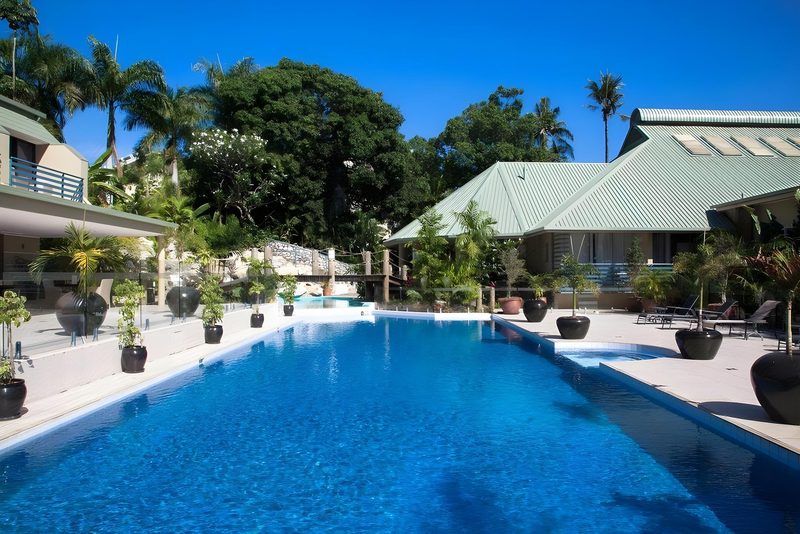
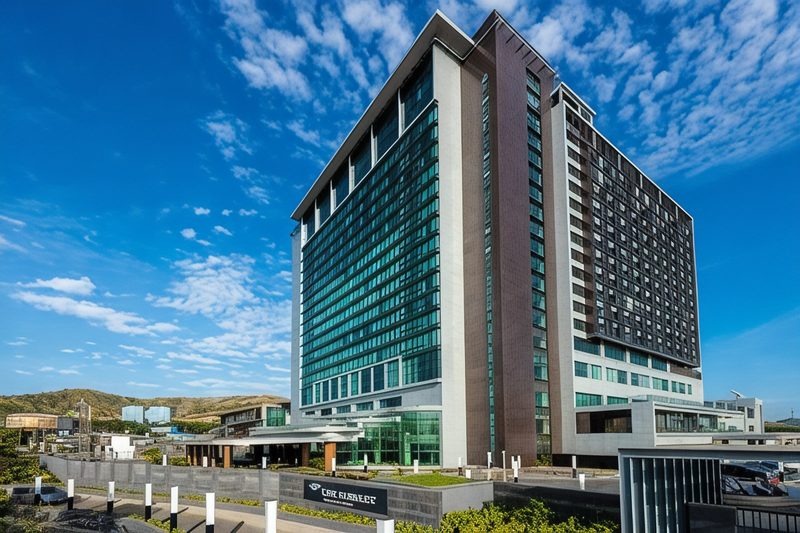
Where to Stay in Port Moresby in November
Hand-picked hotels across price tiers for November travellers.
Packing Checklist
Bookmark this page — your progress is saved between visits
Need the full list with shopping links?
Climate-specific gear, brand recommendations, and what to leave at home.
View Port Moresby Packing List →Essential Tips
Insider knowledge and common pitfalls to avoid
Insider Knowledge
The window between 5:30 AM and 7:30 AM is when Port Moresby is at its most approachable. The heat has not yet built, the roads are quiet, and Ela Beach has a few joggers and dog walkers from the nearby compounds. If you want to feel any sense of the city as a liveable place rather than a security exercise, this is the hour. By 9 AM the traffic thickens, the concrete radiates stored heat, and the city shifts into its daytime mode of vehicle-to-vehicle movement.
Betel nut, called buai locally, is everywhere in Port Moresby. The red spit stains on pavements, the lime-powder containers, the folded mustard-plant leaf wraps sold at every roadside: this is the social currency of Papua New Guinea, the thing offered before a handshake in many settings. You do not need to chew it. But recognising what it is and acknowledging it when offered shows cultural awareness that locals notice and appreciate. The taste is astringent and mildly stimulating, somewhere between raw tea leaves and green tobacco.
Do not assume Tok Pisin is broken English. It is a distinct creole language with its own grammar, and roughly 4 million Papua New Guineans speak it as a lingua franca across 800-plus language groups. Learning even a handful of phrases, wantok for friend or kinsman, yu stap gut for how are you, tenk yu tru for sincere thanks, changes how people interact with you in Port Moresby. The shift is immediate. You go from being a moneyed outsider to someone who has bothered, and in a country where personal relationships govern everything from market prices to road safety, that distinction matters.
The food at Port Moresby's local markets, Koki Market on the harbour side, is worth experiencing with a guide who can navigate the social dynamics. The coconut crabs piled in wire baskets, the bundles of aibika greens, the smoked fish laid across banana leaves: the smell is briny and woodsmoke-heavy, and the colours are saturated in a way that supermarket produce never manages. The pork comes out fall-apart tender with a faintly smoky sweetness from the leaf wrapping, and the root vegetables absorb the rendered fat into something richer than their raw starch suggests. You will not find this on a restaurant menu. It requires a local connection and usually a village or community event, which your guide can arrange.
Avoid These Mistakes
Walking independently in areas outside secured compounds, hotel grounds, or guided tour vehicles. This is not a judgement on Port Moresby or its people: it is a practical reality that every long-term resident, expatriate community leader, and embassy advisory confirms. The risk of opportunistic crime against visibly foreign pedestrians is high enough that even seasoned PNG hands do not do it. Arrange vehicle transport for every movement, including distances that look walkable on a map.
Domestic flights in Papua New Guinea rarely run on schedule. Air Niugini and PNG Air connect Port Moresby to the Highlands and island provinces, but cancellations, delays, and overbookings are standard operating conditions rather than exceptions. Build a full buffer day into your Port Moresby schedule on both ends if you are connecting to a Kokoda trek departure or an island transfer. The city itself has enough to fill that day. The alternative is worse. Stranded at a remote airstrip with no fallback is a problem you want to avoid.
Malaria prevention is not optional. Port Moresby sits in a malaria-endemic zone, and the Anopheles mosquitoes that carry it are most active at dusk and dawn, exactly when the temperature drops to something that makes you want to sit outside with bare arms. Consult a travel medicine specialist well before departure. Start prophylaxis on the recommended schedule. Use repellent and long sleeves every evening. The hospitals in Port Moresby can treat malaria. Cerebral malaria in a facility with limited resources is not something you want to learn about firsthand.
Short on time? See day trips around Port Moresby on GetYourGuide.
Ready to plan your trip to Port Moresby?
Now that you've got the research covered, here's where to go next.
Book Experiences in Port Moresby
Top-rated things to do in Port Moresby this November


Explore More Activities in Port Moresby
Didn't see anything interesting yet?
Browse Viator's full catalog of tours, day trips, food experiences, and private guides in Port Moresby.
See All Port Moresby Tours on Viator