Things to Do in Port Moresby in June
June weather, activities, events & insider tips
Low Season · Budget Friendly
June Weather in Port Moresby
Long-run averages for June
86°F (30°C)
High Temp
73°F (23°C)
Low Temp
0.9 inches (23 mm)
Rainfall
83%
Humidity
3
Rainy Days
9
Sunny-Day UV
⚠ Malaria transmission is present year-round in the Port Moresby area. This includes during the drier June conditions. Antimalarial prophylaxis, DEET-based repellent, and treated bed nets are essential. They are not optional. Consult a travel health specialist at least six weeks before departure.
⚠ UV exposure in June is intense. Clear skies and Port Moresby's near-equatorial latitude are the cause. Prolonged outdoor activity without high-SPF sunscreen and protective clothing risks serious sunburn. The danger is acute on the water at Bootless Bay. Surface reflection compounds direct exposure there.
Making the most of June in Port Moresby? Browse tours and activities in Port Moresby on GetYourGuide.
Is June Right for You?
Weigh the advantages and considerations before booking
Advantages
- + June sits squarely in Port Moresby's dry season. The difference from the wet months is dramatic. January and March each dump close to 190 mm (7.5 inches) of rain on the city. June averages just 23 mm (0.9 inches) across roughly three days. The trails around Varirata National Park that turn to red-clay slicks by February are firm underfoot now. The harbour views from Paga Hill stay clear instead of dissolving into grey curtains of afternoon downpour. For anyone planning outdoor excursions, this is as cooperative as Port Moresby's weather gets.
- + Temperatures in June ease off slightly from the low-thirties that bake the city from October through January. Highs sit around 30°C (86°F) and lows hover near 23°C (73°F). It still feels warm. But it is noticeably more tolerable for walking Koki Market or spending a morning at the National Museum and Art Gallery without arriving drenched in sweat. The humidity, at 83%, is lower than the March peak of 87%. Early mornings carry a faint coolness that the wet season never offers.
- + June is firmly off-peak for international arrivals. The handful of operators running city tours, Kokoda Track logistics, and Bootless Bay boat trips tend to have more availability and more flexibility with scheduling. You are not competing with holiday crowds or conference overflow. Accommodation choices open up. You will likely find more willingness to negotiate rates or customise itineraries.
- + The dry conditions make June one of the most practical months to begin a Kokoda Track trek. The trail's notoriously muddy sections through the Owen Stanley Range, where some wet-season stretches require waist-deep wading, are far more manageable now. Operators who run the 10 to 11 day crossings from Owers' Corner generally regard June through September as the prime trekking window. The reduced rainfall lowers the risk of river crossings becoming impassable overnight.
Considerations
- − Port Moresby's security situation requires real planning. June does not change that. Carjackings, opportunistic theft, and settlement-related violence remain genuine risks, after dark and in areas outside the main commercial districts and guarded compounds. Walking between neighbourhoods on foot, even in daylight, is something most long-term residents avoid. You will need to arrange transport through your accommodation or a trusted operator for nearly every movement. Spontaneous wandering of the kind you might do in Southeast Asian capitals is not advisable here. This is not fearmongering. It is the daily operational reality that every expatriate and informed visitor works around.
- − The infrastructure for independent tourism is thin. Port Moresby does not have a metro, a reliable public bus network for visitors, or a well-signposted walking trail system connecting its attractions. Taxis are unmetered and need to be vetted. Ride-hailing apps have limited coverage. Many of the city's points of interest sit in pockets separated by stretches of road that offer little for a pedestrian. If you are used to destinations where you step out of your door and explore, Port Moresby will feel restrictive unless you plan each day's movements in advance.
- − Malaria is endemic to Papua New Guinea, including the Port Moresby area. June's drier conditions reduce mosquito breeding somewhat compared to the wet season. The risk does not disappear. You will need to consult a travel health specialist about antimalarial prophylaxis well before departure. Carry DEET-based repellent. Sleep under treated nets if your accommodation does not have screened or sealed rooms. Dengue is also present. This is not a destination where you can skip the travel medicine appointment.
Settled on June? Compare hotel prices in Port Moresby for your dates on Trip.com.
Best Activities in June
Top things to do during your visit
Port Moresby finds its groove in June. The air stays warm. Yet the cloying humidity of the rains has gone. You will feel the difference the moment you step off the plane. Ten wet days is the tally for the month, so plans hold. Markets spill into sunlight, the harbor flashes a darker blue, and the land, still green, starts to bleach at the edges. Yet the weather itself becomes the draw, pulling residents and visitors to the coast, to wartime sites, to the bush that begins just beyond the last suburb. This is the practical window. Roads no longer dissolve into mud. Sudden cloudbursts rarely ruin an afternoon. The Kokoda Track, a swampy trap from December to May, turns merely formidable. Within town you can climb to a lookout without dripping sweat onto your camera, and after dark a sea breeze makes outside dining almost pleasant. June rewards engagement, not endurance.

ADVENTURE KOKODA 10-Day Premium Kokoda Campaign Trek Australian Led
adventureTen days, one relentless ridge line. You will retrace the 1942 Kokoda Campaign across the Owen Stanley Range, boots sliding on clay, lungs burning in thin, humid air. Australian historians lead. Silence is broken only by birds you never see. You will finish at the Isurava memorial, exhausted, changed.
The track turns history into something felt, not just heard.
Insider tip: Break in your boots months ahead. Train with a loaded pack. Steep, slippery, tropical.
This month: June equals drier soil, safer rivers, crowds. Book early.

Private Port Moresby City Tour
guided_experienceA private car gives you safe passage and running commentary. You will glide from the bird-of-great destination roof of Parliament to the white rows of Bomana War Cemetery, then into the sung verses held inside the National Museum. Betel-nut markets assault the senses. Your guide translates the chaos into story.
Icons plus context, minus logistics.
Insider tip: Ask for Touaguba Hill. The city and its deepwater harbor spread below like a living map.
This month: June skies stay clear. Views from the hilltops are sharp and cemetery paths are firm underfoot.

11 Day Kokoda Trek From Port Moresby
adventureEleven days, one jungle. You will leave Port Moresby at dawn, sleep under mosquito nets, taste campfire coffee, and learn the mountain quiet broken only by insects.
Extra time means longer pauses at battle sites and real talk with villagers who live along the route.
Insider tip: Bring a quick-dry towel and three pairs of sweat-wicking socks. Staying dry is half the battle.
This month: June is peak. Guides fill fast. Reserve months ahead.

11 Day Kokoda Trek Australian and Local Guides
adventureTwo guides for two stories: an Australian military historian and a local Papuan who grew up beside the track. You will chew wild sugarcane handed over a garden fence and hear village versions of wartime events passed down through generations.
The dual perspective turns the trail into both battlefield and living community.
Insider tip: Learn a little Tok Pisin. A simple "tenkyu" earns smiles and extra stories.
This month: Stable June weather lets local guides point out plants, birds, and history without rain cutting walks short.
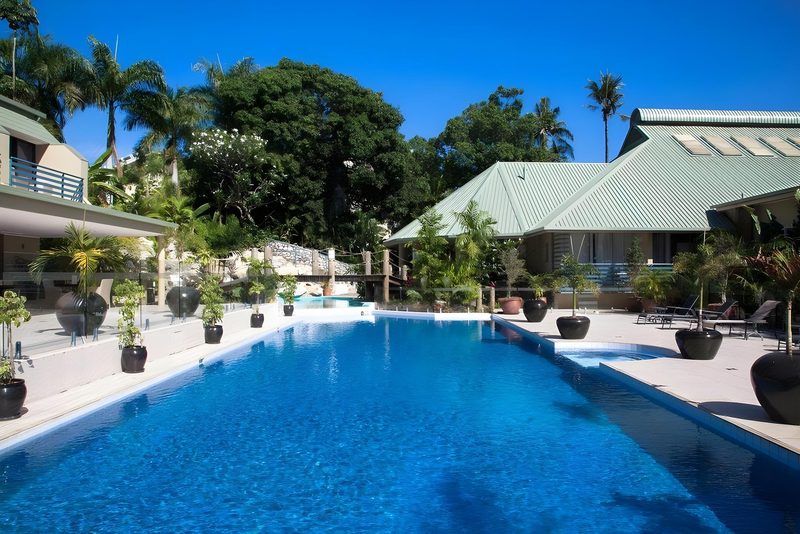
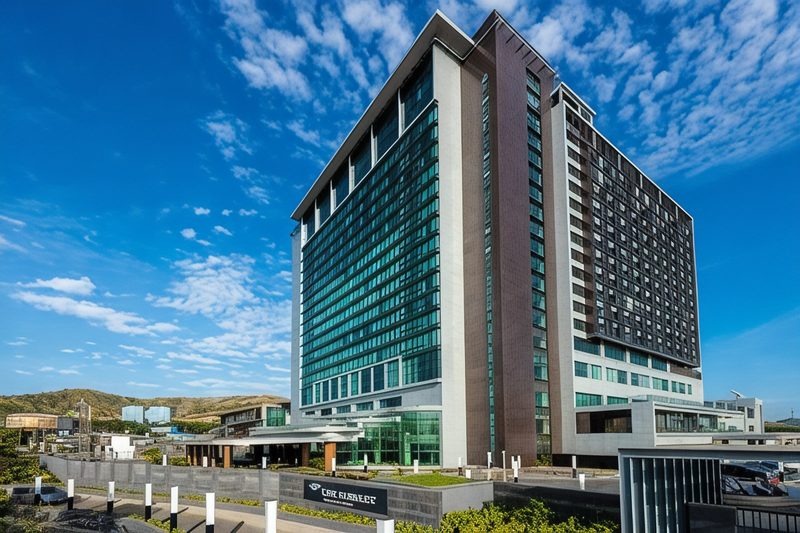
Where to Stay in Port Moresby in June
Hand-picked hotels across price tiers for June travellers.
Public Holidays in June
Dates that affect opening hours, transport and crowds
Queen's Birthday
Observed nationwide as a public holiday.
Queen's Birthday
Observed nationwide as a public holiday.
Packing Checklist
Bookmark this page — your progress is saved between visits
Need the full list with shopping links?
Climate-specific gear, brand recommendations, and what to leave at home.
View Port Moresby Packing List →Essential Tips
Insider knowledge and common pitfalls to avoid
Insider Knowledge
The morning hours between 6 and 9 AM are the sweet spot for almost everything in Port Moresby in June. The air is coolest. The light is low and golden across Fairfax Harbour. The markets at Koki are at their freshest with fish that came in before dawn, and the security situation is at its most predictable. Locals who run, walk, or exercise do it before the heat sets in. By 10 AM the temperature and humidity start to compound, and by early afternoon the city slows to a crawl. Plan your outdoor activities for the first three hours of daylight and use the middle of the day for the air-conditioned galleries at the National Museum or a rest at your accommodation.
Tok Pisin, the English-based creole that is Papua New Guinea's lingua franca, is far more useful in daily interactions than formal English. Learn even a handful of phrases. 'Gutpela moning' for good morning. 'Tenk yu tru' for a sincere thank you. 'Em i hamas' to ask a price. These change how people respond to you. Port Moresby's population comes from across PNG's 800-plus language groups. Tok Pisin is the shared thread. Using it signals that you see the place as a real city with its own culture. Not a transit stop to somewhere else.
Koki Market sits on the waterfront near Ela Beach. It is the closest thing Port Moresby has to a sensory introduction to how the city eats. In June, stalls pile high with reef fish laid on banana leaves. Their scales still catch the early light. Sweet potato, taro, cooking bananas, and bundles of dark green aibika leaves sit alongside. The leaves wilt into something silky when boiled. Betel nut vendors are everywhere. They sell small green buai nuts with mustard-seed daka and slaked lime. The red-stained lips and teeth of habitual chewers are one of the first visual signatures of Papua New Guinea. They catch newcomers off guard. Go early. Go with a local contact or guide. Go to look and learn as much as to buy.
Do not underestimate the social importance of the wantok system. In Port Moresby, your wantok, 'one talk' or someone who shares your language group, is your primary social safety net. This kinship network means that a local guide is not just showing you around. They are vouching for you within their community. Tipping your guide fairly and treating the relationship with respect is not optional good manners. It is the mechanism by which you move safely through spaces that would otherwise be inaccessible or inadvisable. Ask about your guide's home province. Show genuine interest in their community context. This opens doors that money alone does not.
Avoid These Mistakes
Do not walk between Port Moresby's attractions on foot as though it were a Southeast Asian or European city. The distances between Waigani, Boroko, Town, and Ela Beach are not long on a map. But the roads between them lack pedestrian infrastructure, shade, and in many stretches, the basic security conditions that make casual walking safe. Long-term residents drive or are driven between every destination. That is not paranoia or laziness. It is the result of lived experience. Arrange transport for every movement.
Do not arrive without antimalarial prophylaxis because someone online said Port Moresby is urban enough to be low-risk. It is not. Papua New Guinea has one of the highest malaria transmission rates in the Western Pacific. Plasmodium falciparum, the most dangerous species, is the dominant strain. The mosquitoes do not check whether you are inside the city limits or outside them. See a travel health specialist at least six weeks before departure. Start your prophylaxis on schedule. Use repellent and nets religiously.
Do not assume that Port Moresby's restaurant and entertainment options operate on predictable hours or accept international cards reliably. Many establishments close earlier than expected. Cash is king outside the main hotel dining rooms. The ATMs in town can be out of service or out of notes without warning. Carry enough local currency, Papua New Guinea kina, in small denominations to cover a full day's expenses without depending on electronic payments. The National Capital District is not cashless. Acting as though it is will leave you stranded at an inconvenient moment.
Short on time? See day trips around Port Moresby on GetYourGuide.
Ready to plan your trip to Port Moresby?
Now that you've got the research covered, here's where to go next.
Explore More Activities in Port Moresby
Didn't see anything interesting yet?
Browse Viator's full catalog of tours, day trips, food experiences, and private guides in Port Moresby.
See All Port Moresby Tours on Viator