Things to Do in Port Moresby in February
February weather, activities, events & insider tips
Low Season · Budget Friendly
February Weather in Port Moresby
Long-run averages for February
88°F (31°C)
High Temp
74°F (23°C)
Low Temp
5.5 inches (140 mm)
Rainfall
81%
Humidity
16
Rainy Days
15
Sunny-Day UV
⚠ February sits within the active malaria and dengue transmission season. The wet conditions dramatically increase mosquito breeding, and Port Moresby is a documented transmission zone for Plasmodium falciparum, the most dangerous malaria strain. Prophylaxis medication, DEET repellent, and long sleeves at dawn and dusk are essential. Not optional.
⚠ Intense afternoon thunderstorms can produce localised flash flooding on low-lying roads through Boroko, Hohola, and sections of the Hubert Murray Highway. Road drainage infrastructure is limited. Floodwater rises fast enough to strand vehicles. Avoid low-lying routes during and immediately after heavy rain.
⚠ UV radiation remains extreme even under February's cloud cover. Overcast skies filter less UV than most travelers expect at this latitude. Unprotected skin burns in under thirty minutes. Apply SPF 50 or higher before every outdoor session, including cloudy mornings.
Making the most of February in Port Moresby? Browse tours and activities in Port Moresby on GetYourGuide.
Is February Right for You?
Weigh the advantages and considerations before booking
Advantages
- + February sits in the driest pocket of the wet season, sandwiched between January's 7.6 inches (193 mm) and March's 7.5 inches (190 mm). Most storms hit as sharp afternoon bursts. They hammer corrugated-iron roofs for forty minutes, then vanish. Mornings stay reliably clear. Plan outdoor time then, along the harbour and up into the hills.
- + Genuine low season. Port Moresby's handful of attractions belong almost entirely to you. The galleries inside the National Museum in Waigani. The walking trails through Varirata's cloud-forest lookouts. The reef flats at Bootless Bay. Expect to share them with a scattering of expat families and the occasional research group. Not tourist crowds.
- + The Owen Stanley Range behind Port Moresby shifts from dry-season brown to deep equatorial green by February. Varirata National Park's waterfalls run full. Fruiting trees along the ridgeline pull Raggiana birds of paradise down to eye level. The forest canopy is so dense it dims the midday glare. Cool emerald half-light underfoot.
- + Sea temperatures hover around 29 to 30°C (84 to 86°F) in Bootless Bay and the harbour reefs. Extended time in the water is comfortable without a wetsuit. Reef fish wear breeding colours. The soft corals along Sinasi Reef expand fully in the warm, nutrient-rich water that wet-season runoff delivers.
Considerations
- − Humidity at 81% combined with 31°C (88°F) highs creates a sticky, inescapable heaviness. You will be drenched within minutes of stepping outside air conditioning. This same moisture breeds mosquitoes aggressively. Port Moresby sits in an active transmission zone for both dengue and malaria. The risk is not abstract.
- − Afternoon downpours can turn roads through Boroko and the low sections of Hubert Murray Highway into temporary rivers. When drainage backs up after a heavy dump, transport stalls for an hour or more. A planned afternoon activity can evaporate with no notice. Build slack into every day.
- − Sediment washing off the hills into the harbour and Bootless Bay after heavy rain drops underwater visibility from a clear 15 m (49 ft) down to 3 to 5 m (10 to 16 ft) for a day or two. Count on losing at least one or two potential reef days per week to murky water. Frustrating if snorkeling was your primary reason for coming.
Settled on February? Compare hotel prices in Port Moresby for your dates on Trip.com.
Best Activities in February
Top things to do during your visit
Guided City Heritage and Cultural Tours
Port Moresby makes more sense with a guide beside you. February's overcast mornings, when temperatures sit around 27°C (81°F) before the afternoon furnace kicks in, are the most comfortable window for walking the city's key landmarks. The route through the Waigani government precinct takes you past Parliament Haus, whose mosaic facade depicting clan shields and spirit figures catches whatever grey light filters through the clouds. Then into the National Museum and Art Gallery where Sepik River carvings and Highland ceremonial masks fill rooms that smell faintly of old wood and preservation varnish. A good guide will take you to Hanuabada, the traditional Motu stilt village built out over the water on the western edge of the harbour. The sound of children laughing carries across the tide flats. Smoke from cooking fires drifts between the houses. Ela Beach, once the social heart of the colonial city, is worth a stop in the early morning when joggers and fishermen share the sand. The Coral Sea stretches flat and grey to the horizon. Expect a half-day tour to run four to five hours. The city is not designed for independent walking. A guided format with arranged transport is not a luxury here. It is how you see Port Moresby safely and with depth.
Booking Tip: Arrange at least two weeks ahead through licensed operators with insured vehicles and local Motu-speaking guides who can navigate village protocols. February's low visitor numbers mean scheduling is flexible. Operators sometimes reduce frequency in wet season. Check current options in the booking section below.
Varirata National Park Rainforest Day Hikes
Forty-two kilometres (26 miles) east of central Port Moresby, Varirata sits at roughly 800 m (2,625 ft) on the flanks of the Astrolabe Range. The altitude alone drops the temperature by four or five degrees compared to the sweating lowlands. In February, the forest is at peak density. Ferns crowd the understorey so thickly that the trail edges blur green. The canopy blocks enough light to make midday feel like late afternoon. The main draw is the Raggiana bird of paradise, Papua New Guinea's national bird. Males display from exposed branches in the early morning, fanning rust-orange plumes while making a rattling call you hear before you see them. The lookout trail, roughly 3 km (1.9 miles) round trip, ends at a clearing where the Coral Sea and Port Moresby's harbour spread below you with the Owen Stanley peaks behind. In February the view often competes with cloud rolling in by 10 AM. Trails get slippery after rain. Leeches appear on the lower routes when the leaf litter stays damp. A half-day is enough to walk the main circuits. The drive up takes about an hour on a sealed road that deteriorates to gravel for the final stretch.
Booking Tip: Book a guided day trip at least ten days ahead. Solo entry is technically possible. The access road is isolated. The park has no services, food, or mobile reception. Licensed operators provide four-wheel-drive transport, packed lunch, and guides who know the bird-of-paradise display trees. See current options in the booking section below.
Kokoda Track Multi-Day Expeditions
The Kokoda Track is the reason most adventure travelers put Port Moresby on a map at all: 96 km (60 miles) of single-file trail crossing the Owen Stanley Range through some of the densest mountain rainforest left on earth, retracing the route of the 1942 Second World War campaign. February is wet season on the track, and honesty matters here. River crossings that are ankle-deep in August become chest-high torrents that require rope assists. The mud on the steeper sections, the climb out of Ioribaiwa and the descent into Templeton's Crossing, turns the trail into a slick chute where you plant your boot and slide back half a step. Leeches find every gap in your gaiters. That said, February is also when the track is emptiest, the forest is at its most alive, and the waterfalls along the Brigade Hill section roar with a force you will never see in dry season. The humidity under the canopy is total: your clothes will not dry for days, and the smell of damp earth, rotting leaves, and wood smoke from porter camps becomes the defining sensory memory. Treks run eight to eleven days depending on fitness and route. This is an expedition, not a hike, and it demands serious physical preparation.
Booking Tip: Book a minimum of three months ahead through operators accredited by the Kokoda Track Authority. February departures are limited and group sizes shrink, which can work in your favour for a more intimate experience. Verify that your operator provides experienced local porters, emergency communication equipment, and wet-season river-crossing gear. See current expeditions in the booking section below.
Bootless Bay and Harbour Reef Snorkeling
The reefs scattered across Bootless Bay, roughly 20 km (12.4 miles) southeast of central Port Moresby, are Papua New Guinea's most accessible coral systems from the capital, and February's 29 to 30°C (84 to 86°F) water temperatures mean you can spend an hour drifting over staghorn coral gardens without a hint of chill. The bay is sheltered enough that even when the Owen Stanleys are dumping rain inland, the surface stays manageable most mornings. Sinasi Reef and the fringing reefs around Loloata are the main sites: expect clownfish territories in bulb-tipped anemones, parrotfish crunching audibly on coral heads, and the occasional whitetip reef shark cruising the drop-off where the sandy shelf falls away into cobalt blue. The catch in February is visibility: after a heavy overnight rain, sediment plumes drift into the bay and can reduce sight lines to under 5 m (16 ft). Experienced operators check conditions at dawn and will shift to a cleaner site or postpone by a morning if the water is murky. Half-day trips are standard, departing early to catch the calmest water and the best light before afternoon clouds build.
Booking Tip: Book five to seven days ahead through dive and snorkel operators based at the harbour marinas. February bookings are easy to secure given low demand. But confirm the morning of departure that conditions are suitable. Operators should provide quality masks, fins, and life vests. See current reef trips in the booking section below.
Port Moresby Nature Park Wildlife Encounters
Tucked inside the University of Papua New Guinea campus grounds at Waigani, the Nature Park is the one attraction in Port Moresby that works in any weather, and in February that matters. The elevated boardwalks thread through a patch of lowland rainforest where tree kangaroos cling to branches overhead, their claws scratching bark as they shift weight, and cassowaries pace their enclosures with the unsettling intensity of animals that could ruin your afternoon if they chose to. The orchid house is thick with humidity even by Port Moresby standards, and the air inside carries the faintly sweet rot of decomposing bark mixed with the perfume of flowering dendrobiums. The bird-of-paradise aviaries are the highlight: Raggiana, Superb, and King birds of paradise visible at close range, their courtship displays triggered by the wet-season light cycles. When the afternoon storm hits, the forest canopy turns the rain into a percussive roar overhead while you stay mostly dry on the covered walkways. Two hours is enough to see everything at a comfortable pace. The park also is an emergency wet-weather fallback when outdoor plans collapse, which in February happens at least every second or third day.
Booking Tip: No advance booking needed for general admission. Arrive before 10 AM to see the birds at their most active and avoid any afternoon storm disruption. Guided walks with park naturalists offer significantly more depth on PNG wildlife than self-guided visits. Check the booking section below for current tour packages that include the Nature Park as part of a broader city itinerary.
Where to Stay in Port Moresby in February
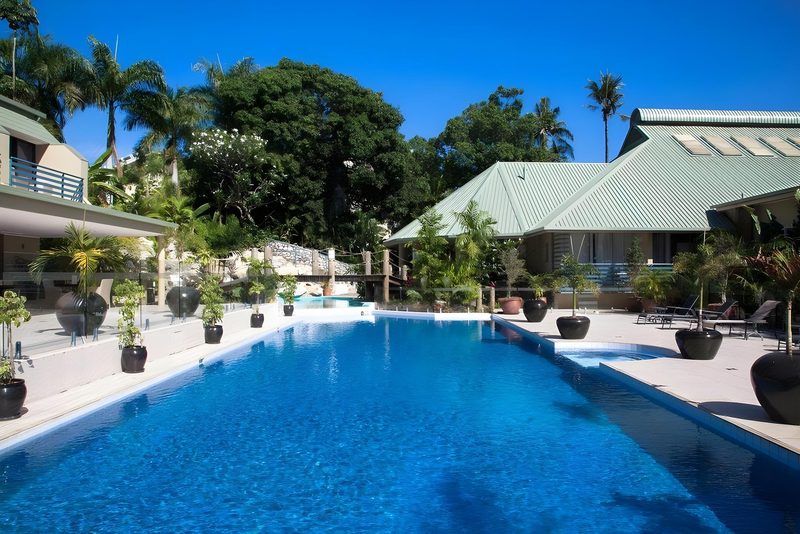
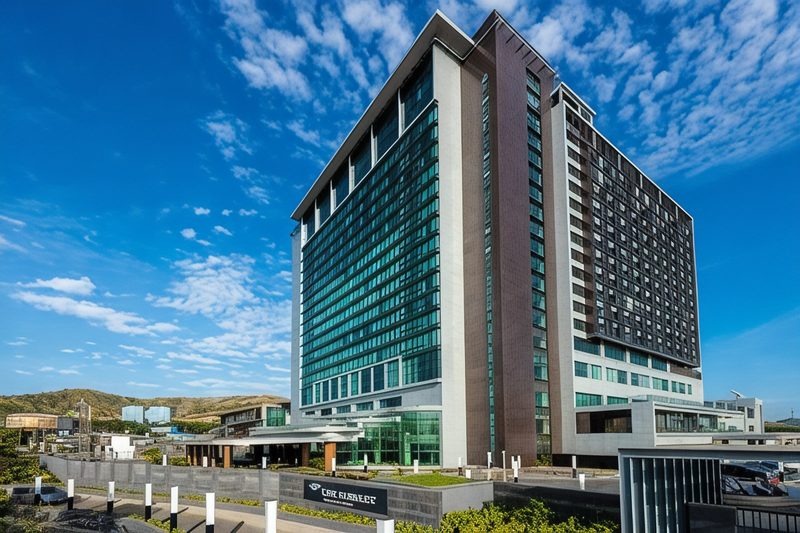
Hand-picked hotels across price tiers for February travellers.
Packing Checklist
Bookmark this page — your progress is saved between visits
Need the full list with shopping links?
Climate-specific gear, brand recommendations, and what to leave at home.
View Port Moresby Packing List →Essential Tips
Insider knowledge and common pitfalls to avoid
Insider Knowledge
Port Moresby is not a city you explore on foot. Walking independently, after dark, is not safe in most neighbourhoods. Even longtime residents drive between destinations. Every movement outside your accommodation should be in a vehicle arranged through your hotel, tour operator, or a trusted local contact. This is not fear-mongering. It is how the city works. The expatriates and Papua New Guineans with means all operate the same way. Once you accept this and plan accordingly, the city opens up through organised experiences that are rewarding.
The food in Port Moresby is better than its reputation. But you have to know where the flavour lives. Koki Market, down by the water on the eastern side of the harbour, is where Motu women sell the morning's reef catch straight off fibreglass dinghies. The smell of smoked fish and sea salt hangs in the air thick enough to taste. Mumu, the traditional earth-oven cooking method where pork, sweet potato, and greens slow-cook underground on heated stones wrapped in banana leaves, produces meat so tender it falls apart with a smoky sweetness that has no equivalent in restaurant cooking. Ask your guide to arrange a mumu experience through a local community. The betel nut, or buai, staining every pavement in the city a rusty red, is the social currency of PNG. Locals will offer it. The taste is acrid, slightly numbing, and distinctly an acquired one.
That is an advantage. The Highland shows are in September. What you get instead in February is access to everyday life without performance. The conversations you have with families are unscripted.
Currency exchange and everyday transactions in Port Moresby can be frustrating. ATMs exist but frequently run empty or malfunction. Card acceptance outside the main hotels and a handful of supermarkets in Boroko is unreliable. Bring enough cash in your home currency to exchange at the airport or your hotel. Carry small denominations of kina for market purchases and tips. Budget more than you think. Port Moresby is not a cheap city. Prices for accommodation, food, and transport run significantly higher than neighbouring Southeast Asian capitals because nearly everything is imported.
Avoid These Mistakes
Do not attempt to walk around Port Moresby independently, between Boroko, Town, and the waterfront. The distances look short on a map. The roads lack pedestrian infrastructure. Traffic is aggressive. The security situation in areas between the main commercial zones is unpredictable. Every experienced visitor moves by vehicle.
Do not treat the malaria and mosquito risk as theoretical. February's wet season drives mosquito populations to their annual peak. Port Moresby has documented transmission of both Plasmodium falciparum malaria and dengue. Travelers who skip antimalarials or forget repellent at dusk are gambling with a disease that can hospitalise you in a city with limited medical capacity and no easy evacuation.
Do not assume Port Moresby will feel like Bali or Fiji because it is in the tropics. Papua New Guinea's capital is a working city with a resource-extraction economy, not a resort destination. There are no beach clubs. There are no polished tourist strips. There are no menus in five languages. The reward is something different: raw cultural depth, excellent reef systems minutes from a national capital, and a place that has not been smoothed for visitor consumption. But you need to arrive with the right expectations, or you will spend the entire trip feeling disappointed by something the city never promised to be.
Short on time? See day trips around Port Moresby on GetYourGuide.
Ready to plan your trip to Port Moresby?
Now that you've got the research covered, here's where to go next.
Book Experiences in Port Moresby
Top-rated things to do in Port Moresby this February

Explore More Activities in Port Moresby
Didn't see anything interesting yet?
Browse Viator's full catalog of tours, day trips, food experiences, and private guides in Port Moresby.
See All Port Moresby Tours on Viator