Things to Do in Port Moresby in September
September weather, activities, events & insider tips
Low Season · Budget Friendly
September Weather in Port Moresby
Long-run averages for September
87°F (31°C)
High Temp
73°F (23°C)
Low Temp
0.6 inches (15 mm)
Rainfall
80%
Humidity
4
Rainy Days
14
Sunny-Day UV
⚠ UV exposure at equatorial latitude is extreme and sustained throughout the day. Even overcast conditions transmit significant UV radiation. Sunburn, heat exhaustion, and dehydration are the primary weather-related health risks in September, not rain.
⚠ Malaria-carrying mosquitoes are present year-round in Port Moresby. September's drier conditions reduce but do not eliminate mosquito activity, near standing water and in vegetation-heavy areas like the Nature Park and Varirata. Consult a travel medicine specialist about prophylaxis well before departure.
Making the most of September in Port Moresby? Browse tours and activities in Port Moresby on GetYourGuide.
Is September Right for You?
Weigh the advantages and considerations before booking
Advantages
- + September sits in Port Moresby's dry season. Only about 15 mm (0.6 inches) of rain falls across the entire month. Compare that to January's 193 mm (7.6 inches) deluge. Locals call this the golden window. Mornings break clear over the Coral Sea. The air stays warm but lacks the oppressive moisture that builds through November and December. Trails at Varirata National Park remain firm underfoot. By wet season, they turn to slick clay.
- + Independence Day on September 16 dominates Port Moresby's calendar. You get sing-sing dance performances. You get citywide energy no other time matches. Tribes from Papua New Guinea's highlands and coastal provinces converge on the capital. They arrive in full ceremonial dress. Feathered headdresses. Painted faces. The atmosphere along Waigani Drive and around Parliament Haus grounds crackles. Plan around it. The reward is real.
- + September delivers the year's best birdwatching. Dry weather pulls Raggiana birds-of-paradise into predictable display trees. Varirata National Park sits roughly 42 km (26 miles) east of the city center. Elevation hits around 800 m (2,625 ft). Cooler air and open canopy make spotting easier. During rain-heavy months, birds scatter deep into the forest. September keeps them visible.
- + September offers more forgiving accommodation than March and April. Those months cluster with resource-sector conferences. Corporate bookings fill the city's limited quality rooms. Book well ahead for Independence Day week. Outside that window, competition for decent lodging eases. You will notice the difference.
Considerations
- − Port Moresby requires serious security awareness. Most travelers find this unfamiliar. Walking freely is not advisable in many areas. After dark, the risk climbs. Carjackings happen. Bag-snatching happens. Opportunistic theft hits neighborhoods outside guarded compounds and major commercial zones. This is not fearmongering. Every expatriate plans around this reality. Travel with a local guide. Use reputable transport arranged through your accommodation. Hide your valuables. The city rewards preparation. It punishes complacency.
- − Infrastructure outside well-maintained enclaves is rough. Roads between Jacksons International Airport and harbor-side areas suffer potholes. Traffic snarls. Services prove unpredictable. September brings dust instead of mud. That helps. Limited public transport and uneven road surfaces remain. You will rely on arranged vehicles or guided tours. Safety and comfort demand it.
- − Tourism here does not run on volume. Quality dining concentrates near the waterfront and Waigani. Bookable day activities are limited. Southeast Asian or Pacific Island resort veterans should adjust expectations. This is an administrative and resource-sector hub. It is not a leisure destination. Calibrate accordingly. Frustration fades. Genuine discovery follows.
Settled on September? Compare hotel prices in Port Moresby for your dates on Trip.com.
Best Activities in September
Top things to do during your visit
Varirata National Park Hiking and Birdwatching
September makes Varirata National Park the essential day trip. The park rests at roughly 800 m (2,625 ft) elevation on the Sogeri Plateau. Distance from city center: about 42 km (26 miles). Temperature drops once you clear the coastal plain. September air carries eucalyptus and damp moss. The forest canopy thins in places. Morning light reaches the understory. Raggiana birds-of-paradise perform their courtship displays there. You will hear them first. A harsh rattling call cuts through the dawn chorus. Lookout points stretch across the Owen Stanley Range. Clear September mornings reveal kilometers of view. The Coral Sea shimmers on the distant horizon. The city below looks almost peaceful. Start early. UV becomes punishing by mid-morning. The birding window closes as heat builds. Allow three to four hours.
Booking Tip: Book transport and a local guide through your accommodation or a licensed operator. Do this at least one week ahead. The Sogeri road is manageable. A guide who knows the trail network and bird display sites changes everything. See current guided options in the booking section below.
Port Moresby City Heritage Tour
A guided circuit of Port Moresby's cultural landmarks works best in September. The dry heat, while strong, beats the humid soup of wet season months. A good city tour takes in the National Museum and Art Gallery in Waigani. The collection of Sepik River carvings and highland tribal artifacts is excellent. The air conditioning helps. From there, the Parliament Haus with its mosaic facade inspired by a Maprik haus tambaran is worth the stop. The architecture alone justifies the detour. The geometric patterns catch the harsh midday light in ways that photograph well against September's reliably blue sky. The route typically swings through Ela Beach, where the smell of salt and drying seaweed mixes with smoke from nearby food stalls. It continues down to Koki Market, the stilted waterfront fish market where the morning catch comes in still glistening and the vendors call out in rapid Tok Pisin. Mind you, Koki requires situational awareness. You need a guide who knows the market well. The sensory overload of betel-nut-stained concrete, piled reef fish, and the rhythmic slap of waves against the wooden pilings underneath is not something you will find sanitized for tourists. That is precisely what makes it worth the visit.
Booking Tip: Book a private guided tour at least ten days ahead. Confirm that the operator provides vehicle transport between sites. Walking between landmarks independently is not recommended. The booking widget below shows current guided options with verified reviews from past travelers.
Kokoda Track Trekking Expeditions
September is arguably the premier month for attempting the Kokoda Track. The grueling 96 km (60 mile) trail crosses the Owen Stanley Range between Port Moresby's inland hinterland and the northern coast at Kokoda village. The dry season means river crossings are lower and less dangerous. The notoriously muddy ridgeline sections are firmer. The risk of hypothermia at the higher elevations around Brigade Hill and Isurava drops compared to wet season conditions. This is still one of the most physically demanding multi-day treks in the world. You will climb through dense montane forest where the humidity clings to you even in dry season. You will cross log bridges slick with condensation at dawn. You will sleep in village guesthouses where the night air at 2,000 m (6,562 ft) drops cool enough that you will be grateful for a sleeping bag. The historical weight is palpable at memorial sites along the trail. At Isurava, four granite pillars inscribed with courage, endurance, mateship, and sacrifice stand in a clearing overlooking a valley that still echoes with the weight of the 1942 campaign. Most treks run eight to eleven days. They require genuine fitness preparation months in advance.
Booking Tip: This is not a walk you organize independently. Licensed Kokoda trek operators handle permits, porters, village accommodation, and the mandatory local guides. Book at least three to four months ahead for September departures. Dry season slots fill fast. Check current expedition options and verified traveler reviews in the booking section below.
Port Moresby Nature Park Wildlife Encounters
Port Moresby Nature Park sits in a patch of monsoon rainforest within the University of Papua New Guinea campus grounds. It is the most accessible window into PNG's extraordinary biodiversity. September's dry conditions mean the walking paths through the park are firm. The open-air enclosures are easier to navigate without slipping on wet boardwalks. The tree kangaroos are the headline. These odd and endearing creatures watch you from elevated platforms with an expression somewhere between curiosity and mild disdain. Cassowaries stalk their enclosures with the unsettling confidence of animals that know they outweigh you. The bird aviaries house species you would otherwise need days of highland trekking to glimpse. The orchid collection blooms sporadically through the dry months. The sound environment under the canopy is its own reward. Lorikeets screech overhead while fruit bats rustle through the upper branches. Allow two to three hours. The park is compact. It rewards slow observation rather than rushing between enclosures. Morning visits catch the animals at their most active before the midday heat sends everything into shade.
Booking Tip: The Nature Park can be visited independently if your accommodation arranges secure transport. Combining it with a broader city tour through a licensed operator is the more practical option. See current tour packages in the booking section below.
Coral Sea Coastal Snorkeling and Reef Visits
The waters off Port Moresby's coastline sit within the Coral Triangle, the most biodiverse marine region on earth. September's calm seas and reduced rainfall mean visibility is at its annual best. The reefs around Bootless Bay, roughly 20 km (12.4 miles) southeast of the city, host hard coral formations teeming with clownfish, parrotfish, and the occasional reef shark cruising the drop-offs. The water temperature in September hovers around 26°C (79°F). Warm enough that a rash guard is sufficient for most people. The surface is often glass-flat in the mornings before the afternoon trade winds pick up. The sensation of dropping off a boat into water so clear you can see 20 m (66 ft) to the sandy bottom, with coral bommies rising like underwater towers, is the kind of experience that recalibrates your expectations of what snorkeling can be. Lionfish fan their spines in crevices. Giant clams pulse with iridescent mantles in the shallows. The silence underwater is broken only by the distant clicking of shrimp colonies in the reef structure. Half-day trips are the standard format.
Booking Tip: Book through operators with proper safety equipment and boat insurance at least a week ahead. Confirm that the trip includes reef-safe sunscreen guidance. PNG's reefs are increasingly protected. Current snorkeling and diving options appear in the booking section below.
Where to Stay in Port Moresby in September
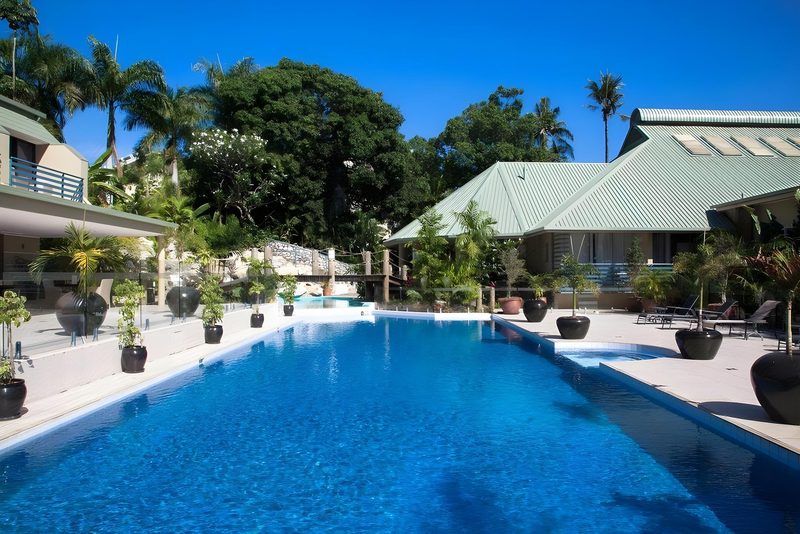
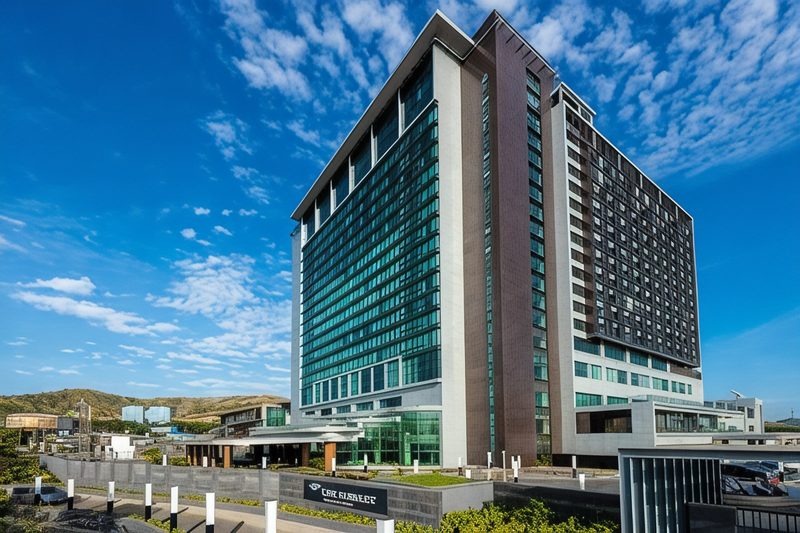
Hand-picked hotels across price tiers for September travellers.
Public Holidays in September
Dates that affect opening hours, transport and crowds
Independence Day
Observed nationwide as a public holiday.
Independence Day
Observed nationwide as a public holiday.
Packing Checklist
Bookmark this page — your progress is saved between visits
Need the full list with shopping links?
Climate-specific gear, brand recommendations, and what to leave at home.
View Port Moresby Packing List →Essential Tips
Insider knowledge and common pitfalls to avoid
Insider Knowledge
The real Independence Day experience is not the official ceremony at Sir John Guise Stadium, which is crowded and tightly controlled. Instead, seek out the informal gatherings at community sports fields and church grounds across Boroko and Gordons in the days before and after September 16. This is where families cook mumu pits in their yards. Sing-sing practice sessions happen in the open. A local guide who knows which communities welcome visitors can arrange this. The smell of pork wrapped in banana leaves cooking over hot stones in a backyard earth oven. The laughter of children chasing each other between the houses. The sound of a kundu drum being tuned by an elder who has been playing since before independence. This is the Port Moresby that does not make the tourist brochures.
Visit Koki Market between 6:30 and 8:00 in the morning. The fishing boats have just come in. The stalls are at their most active. By mid-morning the heat intensifies the smell of fish left in the open air. The crowd thins as vendors pack up unsold stock. Go with a guide. Keep your camera discreet until you have read the room. Buy a bag of buai (betel nut) to offer as a conversation opener if a vendor seems friendly. You do not have to chew it yourself. The taste, a bitter astringent hit followed by a mild alkaloid buzz, is worth trying once if you are curious. The red spit stains on the pavement everywhere in the city suddenly make sense after your first try.
September evenings in Port Moresby cool to around 23°C (73°F). By local standards this feels almost refreshing after the daytime heat. The waterfront area near the Royal Papua Yacht Club catches a sea breeze that makes outdoor dining pleasant. Locals know this. The better waterfront dining spots fill up on weekend evenings. If you are eating out on a Friday or Saturday, have your accommodation arrange a reservation and transport.
The road to Varirata National Park passes through Sogeri, a small settlement where the Saturday morning market sells fresh highland produce, sweet potato, taro, cooking bananas, and bags of roasted peanuts still warm from the fire, at prices that reflect local rather than tourist economics. Stop on the way up. Grab supplies. Ask the vendors about trail conditions. They live adjacent to the park and know which paths are clear and which display trees the birds-of-paradise are currently using. This kind of local intelligence is worth more than any guidebook, and it costs nothing beyond a friendly conversation and a small purchase.
Avoid These Mistakes
Walking around independently after dark, or in unfamiliar neighborhoods at any hour. Port Moresby has genuine security risks, and the most common mistake visiting travelers make is applying the walking habits of other Asian or Pacific capital cities here. Always arrange transport through your accommodation. Travel with a local guide for anything beyond your hotel compound. Keep a low profile with valuables. This is not paranoia. It is how every long-term expatriate in the city operates.
Underestimating the equatorial sun because the temperature reads only 31°C (87°F). At Port Moresby's latitude, the UV intensity is extreme, and travelers from temperate climates burn in under twenty minutes of unprotected exposure. The humidity creates a false sense of cloud cover even on clear days. Apply sunscreen before you leave your room, not when you arrive at your destination, and reapply aggressively.
Assuming that Port Moresby operates on the same service-industry cadence as Bali or Bangkok. Restaurants close earlier than expected, many attractions do not have formal opening hours posted online, and the city shuts down noticeably on Sundays. Build flexibility into your daily plans. Confirm operating hours directly through your accommodation rather than relying on search results. Accept that some things will not run on schedule. The pace here is its own rhythm, and fighting it creates frustration where patience yields better experiences.
Short on time? See day trips around Port Moresby on GetYourGuide.
Ready to plan your trip to Port Moresby?
Now that you've got the research covered, here's where to go next.
Book Experiences in Port Moresby
Top-rated things to do in Port Moresby this September


Explore More Activities in Port Moresby
Didn't see anything interesting yet?
Browse Viator's full catalog of tours, day trips, food experiences, and private guides in Port Moresby.
See All Port Moresby Tours on Viator