Things to Do in Port Moresby in March
March weather, activities, events & insider tips
Low Season · Budget Friendly
March Weather in Port Moresby
Long-run averages for March
88°F (31°C)
High Temp
74°F (23°C)
Low Temp
7.5 inches (190 mm)
Rainfall
86%
Humidity
16
Rainy Days
15
Sunny-Day UV
⚠ March is peak malaria season. Standing water and warm temperatures breed mosquitoes fast. See a travel health specialist four weeks before departure. Get antimalarial prophylaxis. Pack DEET-based repellent. Use it daily at dawn and dusk. Non-negotiable.
⚠ Flash flooding hits hard in March. Morata, Gerehu, and parts of Gordons suffer most. Low-lying roads disappear fast. Airport transfers can fail. Heavy afternoon storms block routes between the airport and city centre for short periods. Build buffer time into every schedule. Expect delays.
⚠ The UV index here is brutal. Year-round. March clouds change nothing. Humidity masks the heat. You will burn without warning. Fast. Protective clothing is essential. High-SPF sunscreen too. No exceptions for outdoor time.
Making the most of March in Port Moresby? Browse tours and activities in Port Moresby on GetYourGuide.
Is March Right for You?
Weigh the advantages and considerations before booking
Advantages
- + March lands squarely in Port Moresby's wet season trough, sandwiched between January's peak and April's dry-down. The hills above Bomana and along the Sogeri Plateau wear their greenest coat now. Waterfalls like Rouna Falls thunder at full force after months of rain. You hear the cascade before you see it. Mist drifts across the track 50 metres (164 ft) out.
- + Tourist numbers in Port Moresby stay thin year-round. March thins them further. At the National Museum and Art Gallery on Independence Drive, you will likely have the Sepik River carvings and Highlands body-paint galleries to yourself most mornings. Varirata National Park sits 45 minutes up the Sogeri Road. Midweek, it feels empty. Just you. Raggiana bird-of-paradise calls echo through the canopy. Village kids sell betel nut at the trailhead.
- + Accommodation rates soften in March. Compare this to the June through September conference and dry-season window. Operators and guesthouses serving the Kokoda trekking crowd sit between peak seasons. Last-minute availability opens up. Unthinkable in drier months.
- + The coral reefs off Bootless Bay and around Loloata Island, roughly 20 km (12.4 miles) southeast of the city centre, hit peak water temperature in March. Around 29°C (84°F). Reef fish activity peaks with it. Visibility drops slightly from dry-season best. Marine life density more than compensates. You dodge the September dive-charter crowds entirely.
Considerations
- − March delivers 190 mm (7.5 inches) of rain across roughly 16 days. When it arrives, it arrives with conviction. Tropical downpours turn unpaved roads in settlements like Gerehu and Morata into ankle-deep mud within minutes. Humidity sits at 86%. Stepping outside at midday feels like walking into a warm, damp cloth pressed against your face. Build flexibility into every day.
- − Safety in Port Moresby demands constant situational awareness. Carjackings, opportunistic theft, and settlement-area violence are real. Well-documented. They do not vanish because you are a tourist. You cannot walk freely between neighbourhoods. Not like other Pacific capitals. Moving around after dark without a vehicle and a plan is inadvisable. Full stop. This is not fearmongering. It is operational reality. Every expat, NGO worker, and seasoned visitor navigates it daily.
- − March's wet season transforms the Kokoda Track into a hazardous undertaking. This is the single biggest drawcard that brings trekkers through Port Moresby. River crossings knee-deep in August become chest-high torrents. Mud on the Owen Stanley Range ridgelines above 1,500 m (4,921 ft) can add two full days. Evacuation options shrink. Most reputable operators suspend departures or run at skeleton capacity. If the Kokoda Track is your reason for coming, March is likely the wrong month.
Settled on March? Compare hotel prices in Port Moresby for your dates on Trip.com.
Best Activities in March
Top things to do during your visit
Port Moresby City Heritage Tours
A guided circuit through Port Moresby's layered history works well in March. Time it for the morning. Afternoon storms roll in off the Coral Sea. The route threads from Parliament Haus, a striking building modelled on a Sepik haus tambaran spirit house. Its facade carries traditional motifs that look almost hallucinatory against overcast March skies. Next, the National Museum and Art Gallery. The air conditioning alone justifies the stop. Bomana War Cemetery sits about 19 km (11.8 miles) north of the city centre. Immaculate grounds. In March, dripping frangipani trees ring the memorials. Sweet scent mixes with wet grass after the morning's first shower. Good operators weave in Ela Beach. Fishermen haul their catch at dawn. Salt and outboard fuel hang in the still air. March's overcast mornings make this more comfortable than blazing dry-season tours. You are not squinting into equatorial sun.
Booking Tip: Book through a licensed local operator at least two weeks ahead. Solo freelance exploration on foot is not advisable. A guided vehicle tour with a knowledgeable driver-guide is safer. Vastly more informative. See current options in the booking section below.
Varirata National Park Bushwalking and Birding
Varirata sits at roughly 800 m (2,625 ft) elevation on the Sogeri Plateau. In March, temperature drops to a more bearable 25°C (77°F). The city below stays sticky at 31°C (88°F). The park's network of short trails, most under 5 km (3.1 miles), winds through montane rainforest. Wet season makes it absurdly lush. Every trunk furs with moss and epiphytes. The canopy drips long after rain stops. Prime territory for the Raggiana bird-of-paradise, Papua New Guinea's national bird. Males perform elaborate mating displays in early morning. Courtship trees broadcast their calls from 200 metres (656 ft) away. A rasping, metallic sound. Nothing like you would expect from something so visually extravagant. The lookout point offers panoramic views back to Port Moresby and the Coral Sea coast. In March, low cloud may fill the valley. Moody appeal. Trails get slippery after rain. Go early. The 7 AM to 10 AM window offers driest footing and best bird activity.
Booking Tip: Arrange transport through your accommodation or a local tour operator. No public transit serves the park. A half-day covers the main trails. Bring proper closed-toe shoes with grip. The red clay paths at Varirata in March are treacherous in sandals. Check current guided options in the booking section below.
Bootless Bay Reef Snorkelling and Diving
The reefs scattered across Bootless Bay, southeast of the city, sit in some of the least-dived waters in the Pacific relative to their quality. March's warm water temperatures bring out clouds of fusiliers. Parrotfish grind audibly. Reef sharks patrol Lion Island drop-offs. The visibility in March typically runs 10 to 20 metres (33 to 66 ft), less than the dry season's 25-metre-plus (82 ft) clarity. Warmer water brings far fewer boats. The area also holds scattered WWII wrecks from the 1942 Japanese air raids. Aircraft and small vessels rest in shallow water accessible to intermediate divers. Surface conditions get choppy in the afternoon when the northwest monsoon kicks up. Morning departures are standard. The boat ride out from the harbour takes roughly 30 minutes. Snorkel early. The salt spray on your face is the first sensory hit. Expect neoprene, sunscreen, and the faintly sulphurous tang of exposed reef at low tide. Pack rain gear.
Booking Tip: Book dive and snorkel charters at least a week ahead. March is quiet. Operator schedules thin out with fewer guaranteed departures. Confirm that the operator provides well-maintained equipment. You need emergency oxygen on the boat. Standards vary. See current marine tour options in the booking section below. Travelers often overlook these details. Secure your spot now.
Sogeri Road and Rouna Falls Day Trip
The drive up the Sogeri Road from Port Moresby is one of the few excursions that improves in the wet season. The road climbs steeply out of the coastal heat. Rubber plantations and patches of secondary forest appear quickly. You reach the Rouna Falls overlook, roughly 45 km (28 miles) from the city. Heat fades. The falls run with the kind of volume that makes the viewing platform vibrate under your feet. In March, the cascade is a broad white curtain dropping roughly 45 m (148 ft) into a mist-filled gorge. The air smells of wet rock and crushed ferns. The road is sealed but narrow. Blind corners trip up inexperienced drivers. PNG drivers take them with optimistic speed. A driver who knows the route is worth the cost. Villages appear. Find fresh fruit. Local vendors sell pawpaw, soursop, and the small sweet bananas the locals call kalapua. The air shifts from hot diesel exhaust to cool highland moisture. You gain altitude. Check your map. Drive carefully.
Booking Tip: This pairs naturally with a Varirata National Park visit as a full-day outing. Arrange a vehicle and driver through your accommodation or a licensed tour operator. Do not attempt to hire a PMV (public motor vehicle) for the route. Depart early. Catch the falls before clouds roll in. Check available day-trip packages in the booking section below. Guides know the best paths. Go fast.
Port Moresby Nature Park Wildlife Walk
Tucked into a patch of rainforest at the University of Papua New Guinea campus, the Nature Park is the most accessible window into PNG's extraordinary biodiversity. Do not leave the city. March's humidity keeps the reptile house residents active and visible. Tree kangaroos tend to move lower in the canopy during wet weather. You spot them easily from the elevated boardwalks. The park holds cassowaries, crocodiles, and an aviary full of endemic birds including several species of bird-of-paradise. The orchid garden peaks in the wet months. Heavy air turns thick with a sweetness that is almost cloying after rain. Two hours is enough. This park is small. Wildlife shines here. A first encounter with PNG wildlife is hard to beat here. Port Moresby offers few places where walking on foot is straightforward and safe. The canopy provides natural shelter from showers. March rain cancels outdoor excursions. This park is your best backup plan. Pack light.
Booking Tip: The Nature Park is walkable from some accommodation near the university. Most visitors arrive by taxi or arranged vehicle. No advance booking is needed for general admission. Pair it with a city tour. Book a full morning. See combined tour options in the booking section below. Walk at your own pace.
Where to Stay in Port Moresby in March
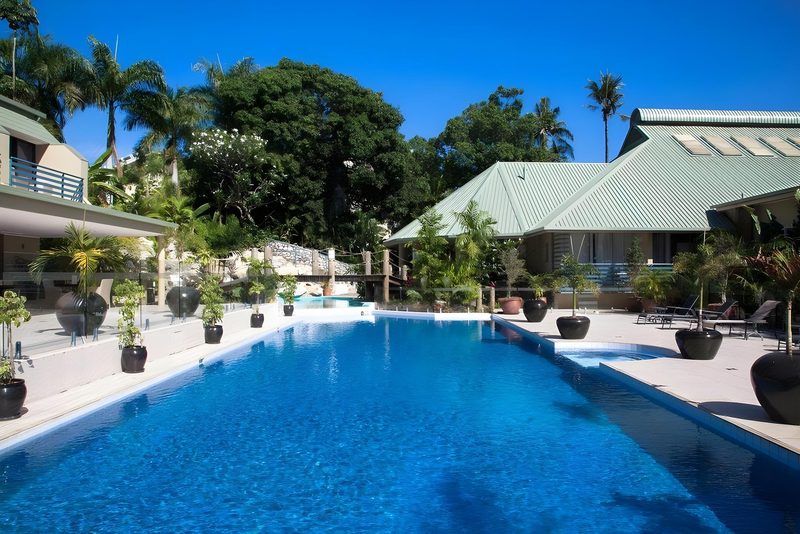
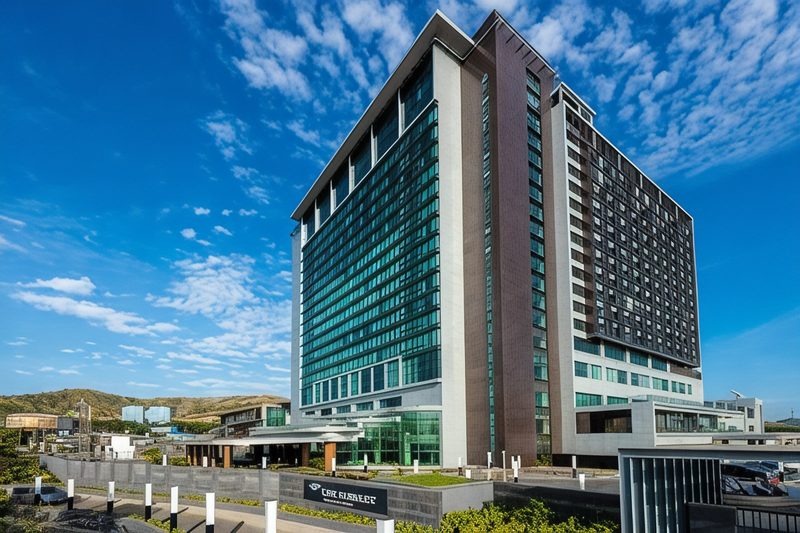
Hand-picked hotels across price tiers for March travellers.
Public Holidays in March
Dates that affect opening hours, transport and crowds
Good Friday
Observed nationwide as a public holiday.
Holy Saturday
Observed nationwide as a public holiday.
Easter Sunday
Observed nationwide as a public holiday.
Easter Monday
Observed nationwide as a public holiday.
Packing Checklist
Bookmark this page — your progress is saved between visits
Need the full list with shopping links?
Climate-specific gear, brand recommendations, and what to leave at home.
View Port Moresby Packing List →Essential Tips
Insider knowledge and common pitfalls to avoid
Insider Knowledge
The expat community in Port Moresby is large and tightly networked. NGO workers, mining company staff, diplomats. The social clubs attached to major compounds often welcome visitors for meals and drinks. These are some of the safest and most comfortable places to eat in the city. The food tends to be surprisingly good because the cooks have learned to work with whatever the local markets provide that week. Your accommodation can usually make an introduction.
Port Moresby's tap water is not safe to drink. The real hazard most newcomers miss is ice. Street vendors and some lower-end establishments use tap-water ice. Stick to sealed bottled water. Skip ice in drinks unless you are in a venue that clearly uses commercial bagged ice. You can tell because it comes in uniform cylindrical tubes rather than irregular chunks.
PMVs, the privately operated minibuses that serve as Port Moresby's public transit, are extremely affordable but come with genuine safety trade-offs. They are overcrowded, uninsured, and occasionally targeted for robbery. Most long-term expats and experienced visitors use pre-arranged vehicles or taxi apps exclusively. If you do take a PMV, never carry visible valuables. Travel only during daylight hours on main routes.
The markets at Gordons and Boroko are where Port Moresby feeds itself. Mountains of sweet potato, taro, cooking bananas, and fresh betel nut spread on tarps under corrugated iron roofs. The air is sharp with the lime powder locals chew with the nut. Going with a local guide or PNG friend transforms the experience from nerve-wracking to fascinating. Wandering in alone with a camera is asking for trouble. The produce is extraordinary. Watching a market mama assemble a mumu bundle, wrapping pork, kaukau sweet potato, and greens in banana leaves for earth-oven cooking, is one of those sensory experiences that rewrites what you thought you knew about Pacific food.
Avoid These Mistakes
Walking between neighbourhoods on foot as you would in Sydney or Auckland. Port Moresby's geography and security situation make this impractical and potentially dangerous. Even short distances between, say, the Harbourside area and Boroko should be covered by vehicle. The city was not built for pedestrians. The gaps between secure zones are exactly where opportunistic crime clusters.
Assuming the Kokoda Track is a March option because you have seen it listed as a Port Moresby activity. The Owen Stanley Range in March is at its wettest and most treacherous. River crossings become life-threatening. Evacuation is difficult. Most experienced operators will candidly tell you to come back between May and October. Booking a wet-season Kokoda trek with a cut-rate operator who does not mention these risks is a red flag, not a bargain.
Underestimating the equatorial sun because the sky is overcast. March cloud cover in Port Moresby creates a false sense of safety. The UV penetrates the haze with brutal efficiency. The humidity prevents you from feeling the burn building on your skin. First-timers routinely get severe sunburn on their first full day because they assumed the clouds had them covered. Apply sunscreen before you step outside, overcast or not.
Short on time? See day trips around Port Moresby on GetYourGuide.
Ready to plan your trip to Port Moresby?
Now that you've got the research covered, here's where to go next.
Book Experiences in Port Moresby
Top-rated things to do in Port Moresby this March

Explore More Activities in Port Moresby
Didn't see anything interesting yet?
Browse Viator's full catalog of tours, day trips, food experiences, and private guides in Port Moresby.
See All Port Moresby Tours on Viator