Things to Do in Port Moresby in August
August weather, activities, events & insider tips
Low Season · Budget Friendly
August Weather in Port Moresby
Long-run averages for August
86°F (30°C)
High Temp
72°F (22°C)
Low Temp
0.5 inches (13 mm)
Rainfall
78%
Humidity
3
Rainy Days
11
Sunny-Day UV
⚠ Near-equatorial latitude burns fast in August. Clear dry-season skies intensify UV exposure. Protective clothing, high-SPF sunscreen, and midday shade breaks are essential. Sunburn and heat exhaustion top the medical complaint list for visitors this month.
⚠ Malaria circulates in Papua New Guinea, including Port Moresby. See a travel health specialist about antimalarial medication well before departure. Mosquito precautions, repellent, and treated bed nets remain necessary. The drier conditions do not eliminate risk.
Making the most of August in Port Moresby? Browse tours and activities in Port Moresby on GetYourGuide.
Is August Right for You?
Weigh the advantages and considerations before booking
Advantages
- + August sits at the center of Port Moresby's dry season. Clear skies dominate. You will see measurable rain on roughly 3 days total. January dumps 7.6 inches (193 mm). That contrast explains why Papua New Guinea veterans aim for this brief window. The trails at Varirata National Park harden up. Red clay becomes manageable. Hikers gain proper footing without ankle-deep muck.
- + Humidity falls to about 78 percent in August. The number seems high. Anyone who suffered through February at 87 percent notices immediately. Ela Beach mornings bring real breeze off the Coral Sea. The air turns dry, almost papery, before noon. Walking the waterfront boardwalk becomes pleasant. Wet season turns it into a sweat march.
- + August marks peak Kokoda Track season. The trail from Owers' Corner through the Owen Stanley Range stays passable. River crossings remain manageable. This matters. You face demanding Pacific terrain on multi-day treks. Licensed operators run frequent departures June through September. Groups fill reliably. Logistics tighten up.
- + Port Moresby nears shoulder season for pricing in August. Serious trekking crowds ease off July's peak. Weather stays nearly identical. Rooms become somewhat easier to book. July sometimes demands two months ahead. Domestic flights to Popondetta keep dry-season schedules.
Considerations
- − Safety dominates every Port Moresby conversation. August changes nothing. Carjackings happen. Armed robberies happen. Opportunistic theft happens, after dark. You cannot walk freely between neighborhoods. Organized transport is required. Daylight foot travel outside secured zones, like Harbour City or the Nature Park grounds, is unwise. This is practical reality. Residents navigate it daily.
- − Port Moresby's tourism infrastructure runs thin. No hop-on-hop-off buses exist. No reliable public transit exists for visitors. Roads outside the central corridor decay fast. Private vehicles or organized tours are required. Spontaneity suffers. Improvised afternoons frustrate here.
- − August brings dry heat and brutal tropical sun. UV exposure is severe at this latitude. The sun hangs nearly overhead. Pleasant weather means zero cloud cover. No natural shade filters the day. Fair skin burns fast. Even tropical veterans find midday intensity aggressive. Outdoor time shortens.
Settled on August? Compare hotel prices in Port Moresby for your dates on Trip.com.
Best Activities in August
Top things to do during your visit
August settles over Port Moresby like a long, dry exhale. The capital sits in the rain shadow of its own dry season, receiving barely half an inch of rainfall across the entire month. That makes it the driest stretch on the calendar alongside July. Daytime temperatures hold at a steady 86°F, cooling to around 72°F after dark. The skies over the Coral Sea stay broad and cloudless for days at a stretch. The air feels lighter and less oppressive than the saturated months of January through April, when monsoonal downpours turn the city's hillside roads into muddy channels. For anyone considering a visit, this narrow window of reliably dry weather is when Port Moresby functions at its most accessible. The unpaved trails outside the city firm up. The harbor gleams turquoise rather than churned grey. Walking independently through Port Moresby requires planning and local awareness. The city is not laid out for casual strolling the way Southeast Asian capitals are. Distances between neighborhoods like Ela Beach, Boroko, and Waigani are significant, and personal security varies sharply from one block to the next. Most visitors move by vehicle, either with a trusted driver or through organized tours. The safest way to experience the city's character is with a guide who knows which market stalls serve the best mumu pork, which beachside stretches are calm enough for a swim, and which roads to avoid after dusk. Port Moresby's dining scene clusters around the hotels and the waterfront, where grilled reef fish arrives still crackling from charcoal, plates of kaukau sweet potato come roasted until their skins split, and cold SP Lager sweats in the heat. The nightlife concentrates in hotel bars and a handful of establishments along the harbor, where live string bands play Melanesian pop under fluorescent light while ceiling fans chop the warm air. What makes August in Port Moresby distinct from, say, October or November is the complete absence of the afternoon storms that define the shoulder months. The Varirata plateau above the city, where mist forest normally drips and steams, stands drier and more navigable. The Nature Park's bird-of-paradise population is active and visible in the mornings, their calls carrying through the eucalyptus canopy before the heat sets in. For trekkers heading beyond the capital into the Owen Stanley Range, August's dry ground and stable weather windows are not a convenience but a necessity. The trails that trace the old wartime routes turn treacherous in wet months, and the dry season is when operators run their most ambitious itineraries.

ADVENTURE KOKODA 10-Day Premium Kokoda Campaign Trek Australian Led
adventureThe Kokoda Track is not a hike. It is a 96-kilometer corridor through some of the most unforgiving jungle terrain on earth, climbing from sea level to the ridgelines of the Owen Stanley Range where cloud forest swallows the trail in cold fog, then dropping into river valleys thick with the smell of wet earth and decaying vegetation. The ADVENTURE KOKODA 10-Day Premium Kokoda Campaign Trek, led by Australian guides with deep knowledge of the 1942 campaign history, walks the full route at a pace that allows trekkers to absorb the weight of each battlefield site, from Isurava's memorial stones to the mudslicked descent into Templeton's Crossing where leeches cling to every surface and the sound of rushing water never stops. This is the premium tier of Kokoda operations, with smaller group sizes, better provisioned camps, and guides who can narrate the tactical decisions that unfolded on the exact ground beneath your boots.
The definitive way to walk the Kokoda Track, with Australian-led historical interpretation that transforms a grueling jungle trek into a pilgrimage through one of the Pacific War's most consequential campaigns.
Insider tip: Start your physical preparation at least three months before departure, focusing on stair climbing with a loaded pack rather than flat-ground cardio, because the track is almost entirely steep ascent or descent with very little level walking.
This month: August's minimal rainfall means river crossings along the track run at their lowest and most manageable levels, and the exposed ridge sections above Myola dry out enough to offer solid footing rather than the knee-deep mud that characterizes wet-season crossings.

Private Port Moresby City Tour
guided_experienceA Private Port Moresby City Tour compresses the capital's scattered geography into a coherent narrative, threading from the parliament building at Waigani, where the mosaic facade catches the equatorial sun in geometric bursts of red and ochre, down through the older neighborhoods where corrugated iron rooflines cascade down hillsides above the harbor. The guide stops at sites most independent visitors would never locate, including war memorials tucked behind government buildings where frangipani petals litter the concrete, and market areas where the sharp tang of betel nut stains every surface red and women sell bilum bags woven so tightly the fiber feels like rope under your fingers. For anyone asking what there is to do in Port Moresby, or wondering whether the city holds any substance beyond its reputation, this tour is the answer.
The only practical way to see Port Moresby's spread-out landmarks, war history, and market culture in a single day, with a local guide who navigates both the roads and the social fabric.
Insider tip: Request that the tour include a stop at Ela Beach in the late afternoon, when local families gather and the light over Fairfax Harbour turns the water copper, rather than midday when the sand radiates heat and the beach sits empty.

11 Day Kokoda Trek Australian and Local Guides
adventureThe 11 Day Kokoda Trek with Australian and Local Guides adds an extra day to the standard crossing, and that single day matters more than it sounds. The additional time allows for longer pauses at the key historical sites and, critically, at the villages along the track where Koiari and Orokaiva communities still live in the same valleys their grandparents defended alongside Australian troops. The smell of woodsmoke from village cook fires drifts across the trail at dusk, and porters who grew up on these ridges share stories passed down orally from the campaign, details no written history records. The dual guiding model pairs Australian historical expertise with PNG nationals who know every root, shortcut, and river mood on the track, and that combination produces a richer, more grounded experience than either perspective alone. The pace is slightly gentler, which lets trekkers arrive at camp with enough energy to absorb the landscape rather than collapsing into their sleeping bags while the jungle chorus of insects and tree frogs builds to a deafening wall of sound after nightfall.
The extra day and dual Australian-PNG guiding team turn a physical endurance challenge into a deeper immersion in both the wartime history and the living Papuan communities along the Kokoda corridor.
Insider tip: Bring a lightweight dry bag for your sleeping gear rather than relying on pack liners alone, because even in August the cloud forest above Brigade Hill produces enough condensation to soak anything not fully sealed.
This month: August's dry conditions make the notoriously difficult creek crossings between Menari and Nauro safer and faster, and reduce the risk of the landslides that occasionally close sections of the track during the wet months.
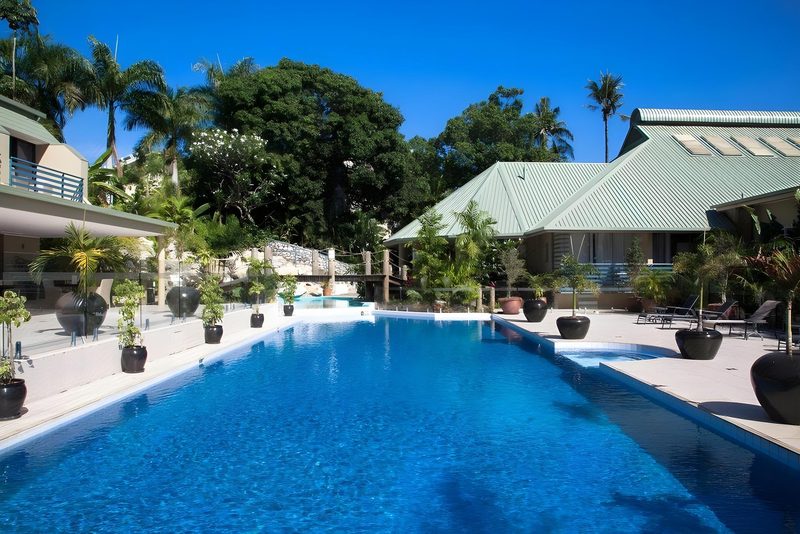
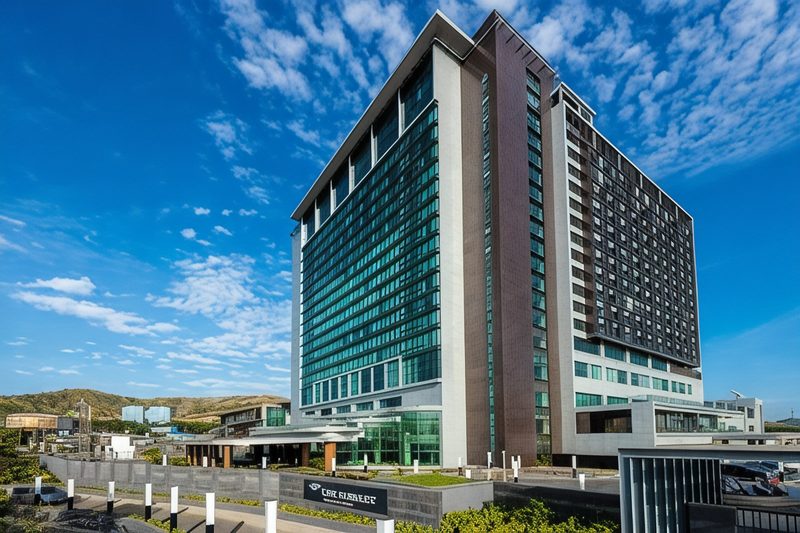
Where to Stay in Port Moresby in August
Hand-picked hotels across price tiers for August travellers.
Public Holidays in August
Dates that affect opening hours, transport and crowds
Repentance Day
Observed nationwide as a public holiday.
Repentance Day
Observed nationwide as a public holiday.
Packing Checklist
Bookmark this page — your progress is saved between visits
Need the full list with shopping links?
Climate-specific gear, brand recommendations, and what to leave at home.
View Port Moresby Packing List →Essential Tips
Insider knowledge and common pitfalls to avoid
Insider Knowledge
The safest and most productive way to experience Port Moresby is to treat it as a base camp rather than a walking city. Arrange your transport for the day in advance, have your driver's number saved, and plan your route before you leave your accommodation. This is how every long-term expat here operates, and it is not paranoia, it is practical rhythm. The Harbour City area and the waterfront near the Yacht Club are among the few places where walking casually in daylight feels unremarkable.
Tok Pisin is the lingua franca and learning even a handful of phrases transforms interactions. 'Mi laik lukim' (I would like to see), 'tenk yu tru' (thank you very much), and 'em nau' (that's it, exactly right) earn genuine warmth from locals who are accustomed to visitors treating them as scenery rather than conversation partners. The Motu Koita people in Port Moresby also speak Motu, and acknowledging that with even a greeting in Motu at Koki Market shifts the dynamic entirely.
Sunday is the quietest day of the week in Port Moresby by a wide margin. Churches fill, markets thin out, and the streets carry noticeably less traffic. If you want the most relaxed version of the city for photography or a Nature Park visit, Sunday morning is your window. Conversely, do not plan Koki Market for a Sunday expecting the full spectacle: the catch is smaller and the stalls are half-staffed.
August is the window when the Coral Sea calms enough for reliable dive boat departures to the offshore reefs and WWII wreck sites in Bootless Bay, about 20 km (12.4 miles) southeast of the city. The visibility in the dry season clears to 20 to 30 m (65 to 100 ft) on good days, and the wrecks, including sunken Pacific War vessels, sit in relatively shallow water accessible to intermediate divers. If diving interests you at all, August is the month to make it happen, because wet-season swells shut down most boat operations from December through March.
Avoid These Mistakes
Walking alone after dark, or walking alone at all in unfamiliar neighborhoods. This is the single most common mistake visitors make in Port Moresby, often because they apply the safety assumptions of other Southeast Asian or Pacific capitals. Port Moresby does not operate on those assumptions. Organize return transport before you leave for any outing, and do not rely on hailing vehicles on the street after sunset.
Underestimating the sun because the temperature reads a moderate 30 degrees Celsius (86 degrees Fahrenheit). The UV at this latitude in August is severe under clear skies, and the dry conditions mean there is no overcast buffer for most of the day. Travelers from temperate climates burn badly on their first full outdoor day, often on the backs of their necks and hands where they forget to apply sunscreen. Reapply every two hours without exception.
Basic infrastructure gaps hit hard here. No Uber. No reliable tourist bus network. No widely available SIM card data at Jackson's International Airport arrival hall. ATMs outside hotel compounds and major banks can fail you. Sort your cash, communications, and transport before you arrive. Handle it immediately on landing through your accommodation. Arriving without a plan for getting from Jackson's International Airport to your lodging guarantees a stressful first hour. Plan ahead.
Short on time? See day trips around Port Moresby on GetYourGuide.
Ready to plan your trip to Port Moresby?
Now that you've got the research covered, here's where to go next.